How the Heights Became a Historic District: The Fight to Save the Neighborhood
The Houston Heights looks the way it does today because a group of neighbors decided in the 1970s that the neighborhood was worth saving. Half a century later, the result is one of Houston's most protected historic districts: listed on the National Register of Historic Places since 1983 and designated a City of Houston historic district in 1991. Here is the story of how the Heights got preserved, and why that legacy still shapes the neighborhood block by block.
A Planned Community Worth Saving
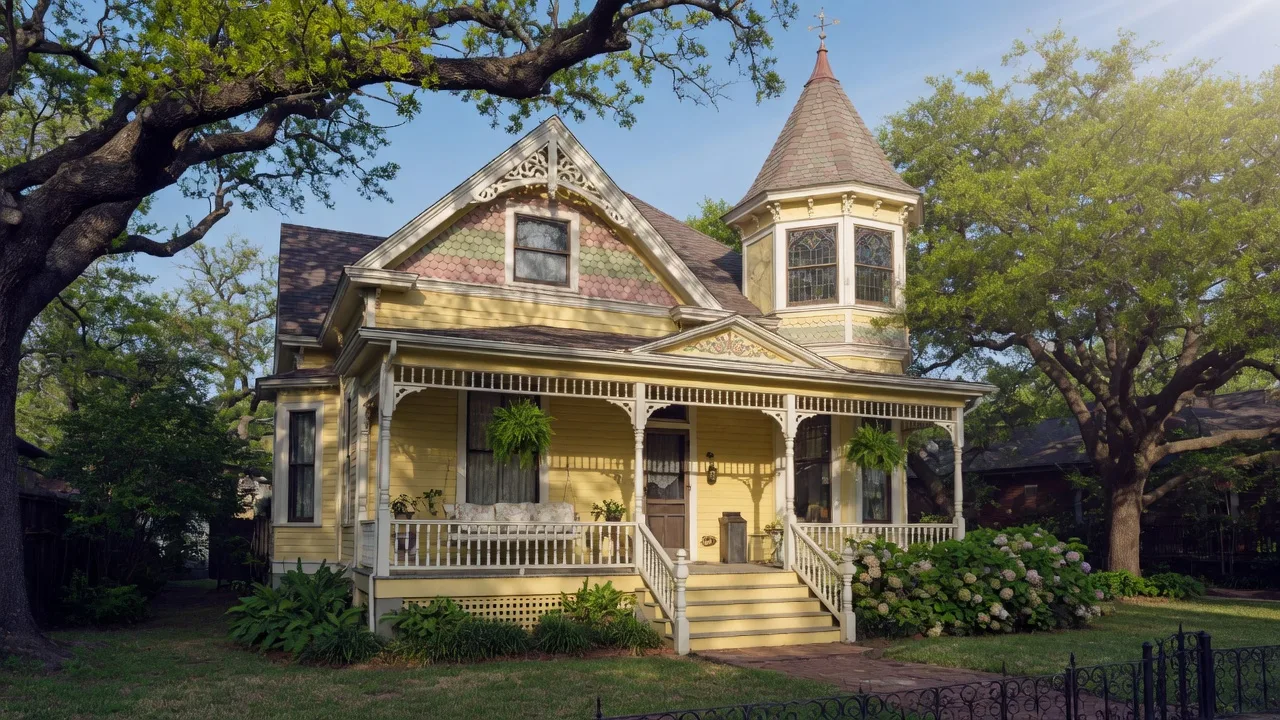
The Heights was never an accident. It was platted in 1891 by the Omaha and South Texas Land Company as one of Texas' oldest planned communities, and for more than two decades it operated as its own small city before annexation into Houston. That independent streak left behind a remarkable stock of Queen Anne Victorians, Folk Victorians, and Craftsman bungalows, many of them built along the esplanade of Heights Boulevard. By the 1960s and 1970s, though, those same homes were aging, some were neglected, and a steady stream of teardowns threatened to erase the neighborhood's character one lot at a time.
1973: The Houston Heights Association Is Born
In 1973 a group of business owners and homeowners came together to fight the deterioration and the loss of the neighborhood's turn-of-the-century housing stock. That group became the Houston Heights Association, the volunteer organization that still anchors community life today from its office on West 12th Street. Their first mission was simple and urgent: prove the Heights was worth protecting before more of it was gone.
1978: The Survey That Changed Everything
Five years in, the young association hired a preservation consultant to survey the neighborhood's structures block by block. The survey did more than count porches and gables. It concluded that the Heights had enough intact historic fabric to qualify for the National Register of Historic Places, the federal government's official list of places worthy of preservation. That finding turned an emotional argument into an evidence-based one.
$30,000 and Five Years of Volunteer Work
What happened next is the part neighbors still tell with pride. Volunteers raised roughly $30,000 over five years, mostly in small donations, to document the neighborhood for the National Register application. It was a labor of love conducted with clipboards, cameras, and county records long before anyone had a spreadsheet. The work paid off.
April 22, 1983: A Place on the National Register
On April 22, 1983, the Houston Heights was listed on the National Register of Historic Places as a Historic Multiple Resource Area. The designation recognized the neighborhood's history as a former independent municipality from 1896 to 1918, its architectural significance, and its concentration of late-19th and early-20th century homes. More than 100 structures within the district are individually listed in their own right. You can see some of the best examples on our self-guided architecture walking tour.
1991: The City of Houston Follows Suit
Federal recognition was a milestone, but it did not come with local design review. The association kept working, and on April 10, 1991, timed with the Heights Centennial, Houston City Council designated the entire Heights Subdivision as the Houston Heights Historic District. The designation came at the recommendation of the Houston Archaeological and Historical Commission, which had acted on the association's request. Under the city's Historic Preservation Ordinance, protected sub-districts followed: the West district in December 2007, the East district in February 2008, and the South district in June 2011.
What Preservation Looks Like Today
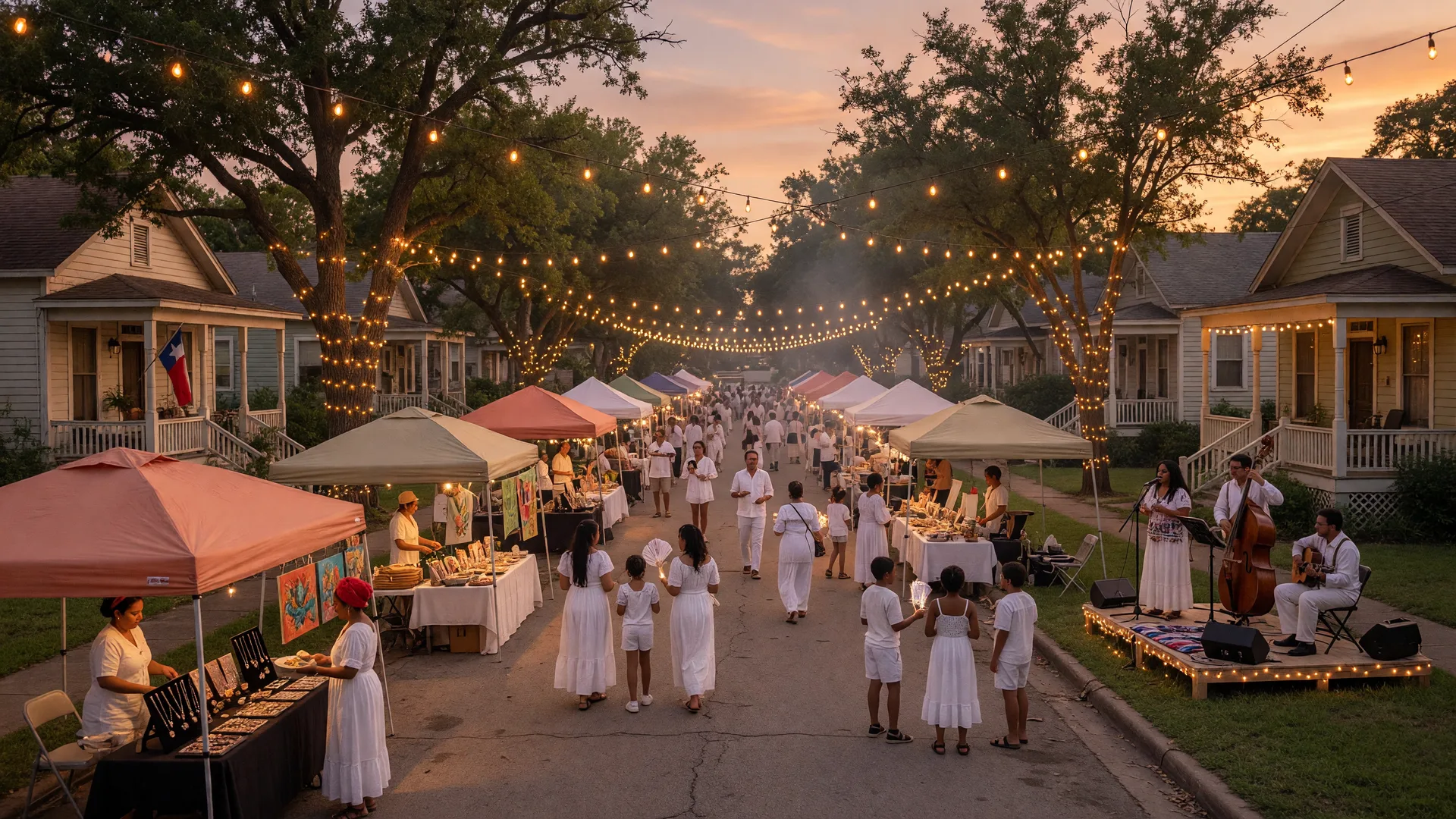
Preservation is not a thing of the past in the Heights. The association and its volunteers still care for the esplanade, monitor zoning proposals, defend deed restrictions, and make sure new construction fits the old streetscape. It is the same community muscle that keeps the holiday home tour and the neighborhood's signature events running year after year. The street names, the older landmarks, and the deeper history of the Heights all survive because neighbors decided they mattered.
Preservation Milestones at a Glance
- 1973: Houston Heights Association founded to fight demolition and deterioration
- 1978: Preservation survey shows the neighborhood can qualify for the National Register
- 1983: Voluntarily funded application leads to National Register listing on April 22
- 1991: City Council designates the Heights a Houston historic district on April 10
- 2007-2011: West, East, and South protected sub-districts take effect
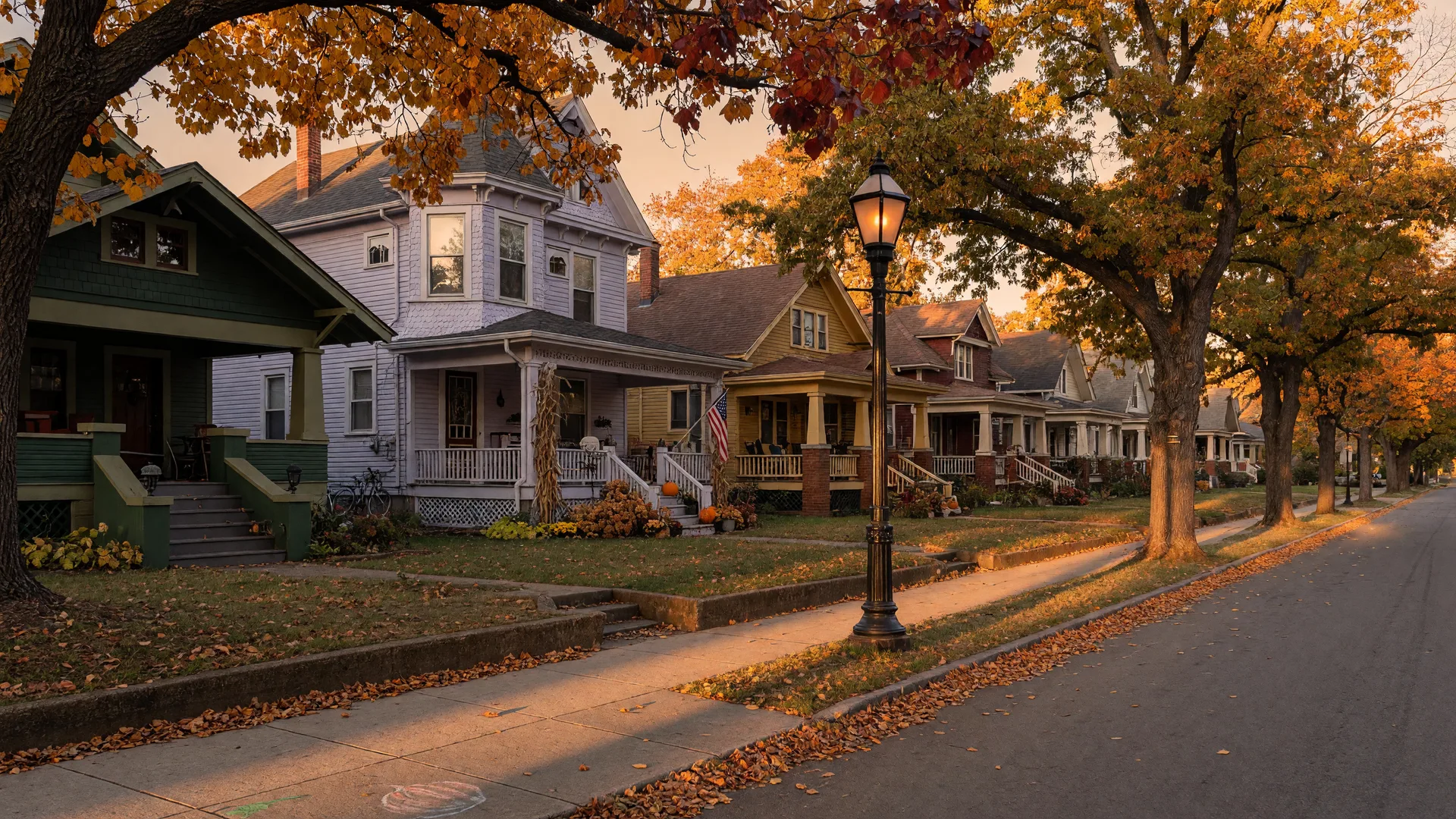
Walk any street in the historic core today, from the gabled Victorians on Harvard to the bungalows on Averill, and you are walking through a half-century of neighborly persistence. The Heights was built as a planned community, and it has been re-planned, re-surveyed, and re-protected by the people who live here. That is the real story of the neighborhood: it was saved the same way it was made, block by block, by the people who cared.

Shawn Manderscheid
Fourth-generation Houston Heights native. Over 25 years of local knowledge and community connections.