The History of Houston Heights: From Streetcar Suburb to Inner Loop Icon
Houston Heights is not just a neighborhood — it's a story. One that stretches back more than 130 years, through boom times and bust, through neglect and renaissance, through every kind of change that a city neighborhood can experience. And yet, somehow, the Heights has remained unmistakably itself.
The Vision: Oscar Martin Carter's Streetcar Suburb
The story of the Heights begins with a single man's vision. In 1886, Oscar Martin Carter, a British-born entrepreneur and financier, purchased a large tract of land just north of downtown Houston. His idea was bold for the time: build a planned residential community connected to the city by a modern streetcar line.
Carter's Heights Land Company laid out the neighborhood with wide, tree-lined streets, generous lots, and an emphasis on quality construction. The Heights was designed to be a self-contained community — with its own commercial district, parks, and public spaces. When the Heights Line streetcar began running in 1891, connecting the neighborhood to downtown Houston, it was a sensation.
So successful was the venture that the Heights was incorporated as its own municipality — the Town of Houston Heights — in 1896, complete with its own mayor, city council, and municipal services. For over two decades, the Heights existed as a separate entity from the City of Houston, an independent town with a distinct identity.
"The Heights was built on the idea that a neighborhood could be both connected to a major city and distinctly its own place. That idea has defined the Heights ever since."
The Golden Era: 1890s–1920s
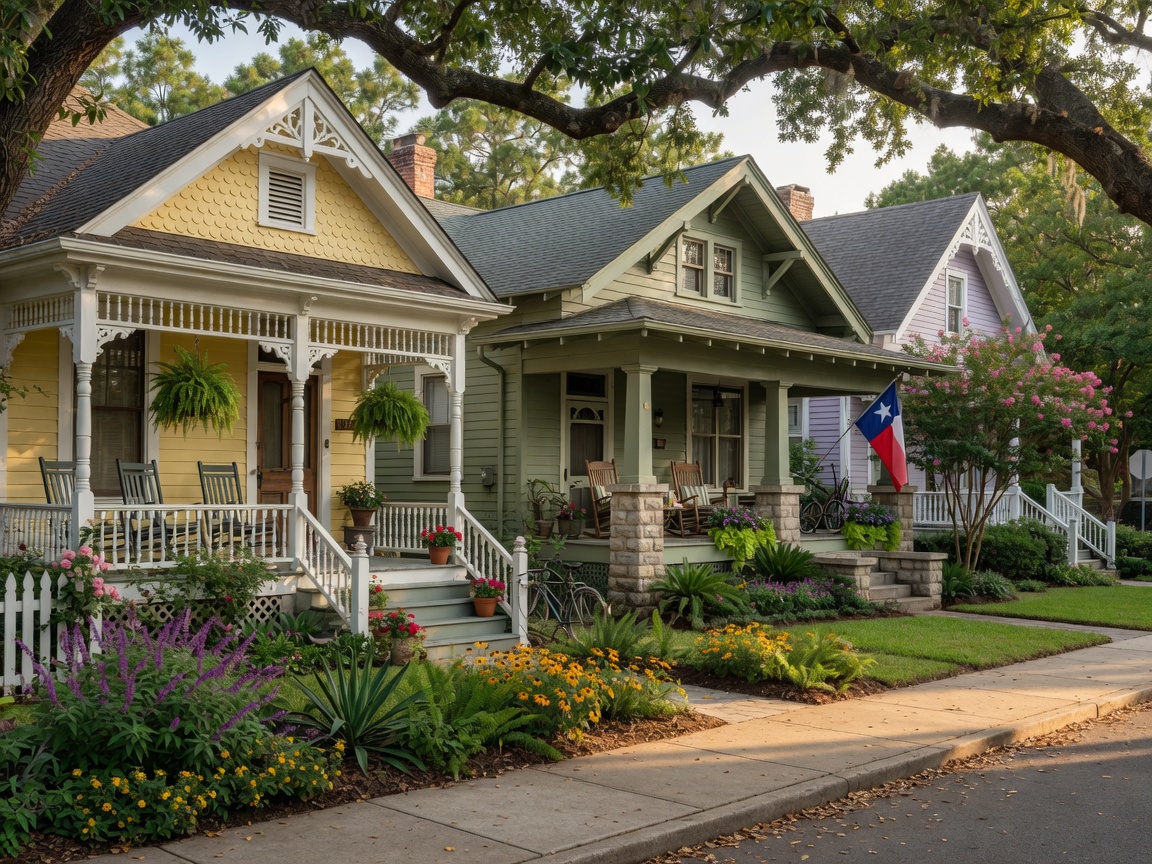
The early decades of the Heights were its golden era. Prosperous families built ornate Victorian homes — Folk Victorians, Queen Annes, and Eastlake-style cottages — that reflected the prosperity of the time. The neighborhood became known for its quality of life: shaded streets, well-maintained homes, and a civic spirit that was unusual for the era.
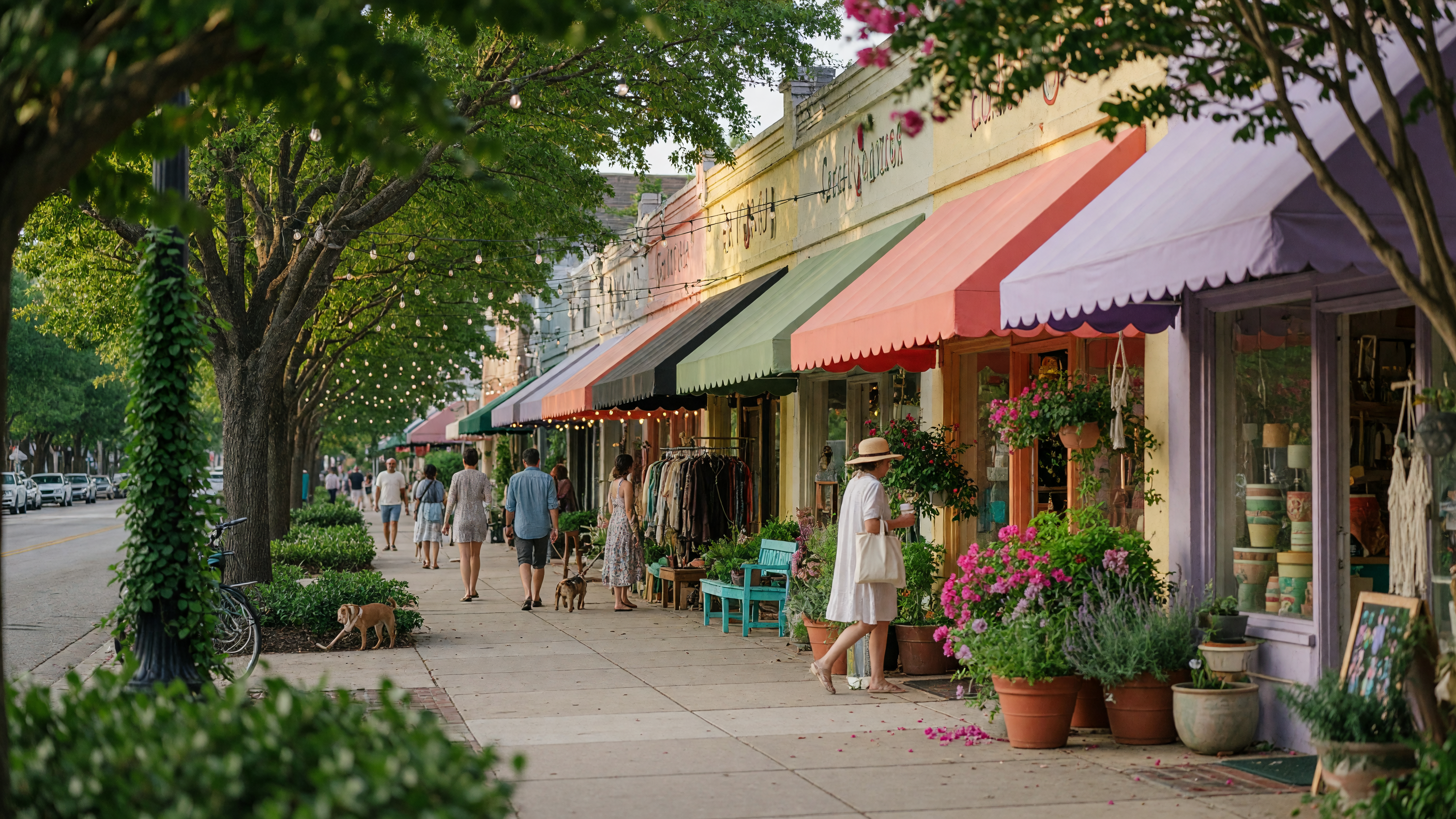
19th Street became the commercial heart of the neighborhood, with shops, mercantile stores, and professional offices serving the community. Churches, schools, and civic organizations flourished. The Heights was, by all accounts, a wonderful place to live.
In 1919, the Heights was annexed by the City of Houston, ending its existence as an independent municipality. But the neighborhood's identity proved far more durable than its political boundaries. Even as part of Houston, the Heights retained its distinct character.
Mid-Century Decline and Survival
Like many American urban neighborhoods, the Heights experienced a period of decline in the mid-20th century. As Houston expanded outward and automobile culture reshaped the city, older neighborhoods closer to downtown lost population and investment. Some Heights homes were subdivided into apartments. Others were neglected or demolished.
But the Heights never fully declined. Its location, its housing stock, and — crucially — its community of residents who refused to give up on the neighborhood kept it alive through the lean years. By the 1970s and 1980s, a new generation of preservation-minded residents began to recognize what the Heights had: one of the finest collections of turn-of-the-century architecture in Texas.
The Preservation Movement
The Heights Historic District, established in the 1980s and expanded since, was a turning point. By providing legal protections for the neighborhood's historic architecture, the district helped ensure that the Heights' irreplaceable Victorian and Craftsman homes would survive the development pressures that have transformed so many other Houston neighborhoods.
The preservation effort was community-driven. Residents organized, lobbied city government, and created one of Houston's most effective neighborhood conservation efforts. The Heights Historic District became a model for preservation in Houston and across Texas.
The Renaissance: 1990s to Today
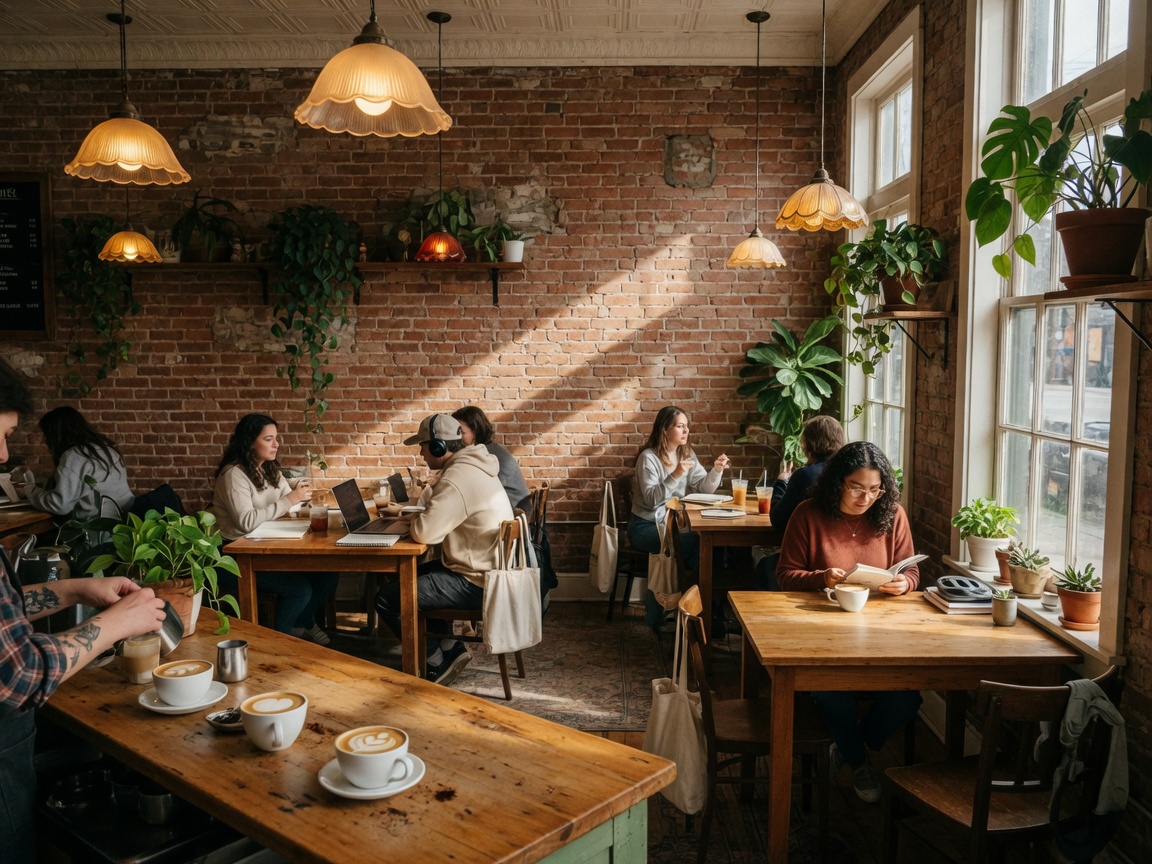
Beginning in the 1990s and accelerating through the 2000s and 2010s, the Heights experienced a remarkable renaissance. New restaurants, coffee shops, and boutiques opened along 19th Street and Heights Boulevard. Young professionals and families discovered the neighborhood's combination of historic charm, walkability, and community spirit.
The Heights Hike and Bike Trail transformed the neighborhood's outdoor life, connecting residents to White Oak Bayou and the larger Houston trail network. Heights Mercantile brought a new kind of retail and dining experience to the neighborhood. White Oak Music Hall put the Heights on Houston's cultural map.
Today, the Heights is one of the most sought-after neighborhoods in Houston — a place where Victorian bungalows sit alongside modern farmhouses, where a farmers market on Saturday morning is as much a social event as a shopping trip, and where the community spirit that Oscar Martin Carter envisioned more than 130 years ago is still very much alive.
Key Dates in Heights History
- 1886 — Oscar Martin Carter purchases land north of downtown Houston
- 1891 — Heights Line streetcar opens; neighborhood development begins
- 1896 — Town of Houston Heights incorporated as separate municipality
- 1919 — Heights annexed by the City of Houston
- 1980s — Heights Historic District established; preservation movement gains momentum
- 2000s — Heights Renaissance: new restaurants, shops, and community development
- 2010s — Heights Hike and Bike Trail, Heights Mercantile, White Oak Music Hall

Shawn Manderscheid
Fourth-generation Houston Heights native and leader of the Shawn Manderscheid Team. Over 25 years helping families find their place in the Heights and surrounding Inner Loop neighborhoods.