Glenwood Cemetery: The Historic Garden Cemetery Next to the Heights
Just south of the Heights, on the north bank of Buffalo Bayou at 2525 Washington Ave, sits one of Houston's most beautiful and historically important places. Glenwood Cemetery is the city's first professionally designed burial ground, a rolling green garden of live oaks and Victorian monuments, and it holds the man who helped build Houston Heights itself. Here is the history of Glenwood and why every Heights neighbor should take a slow walk through it.
A Garden Cemetery Born in 1871
Glenwood was chartered on May 12, 1871 by the Houston Cemetery Company, with the first burials following in 1872. It arrived as part of a nationwide movement that was rethinking what a cemetery should be. In the decades after the Civil War, Americans began trading crowded urban graveyards for "rural" garden cemeteries on the edges of town, designed as much for the living as for the dead, with winding drives, lawns, and trees meant for quiet reflection.
Designed to Be Walked
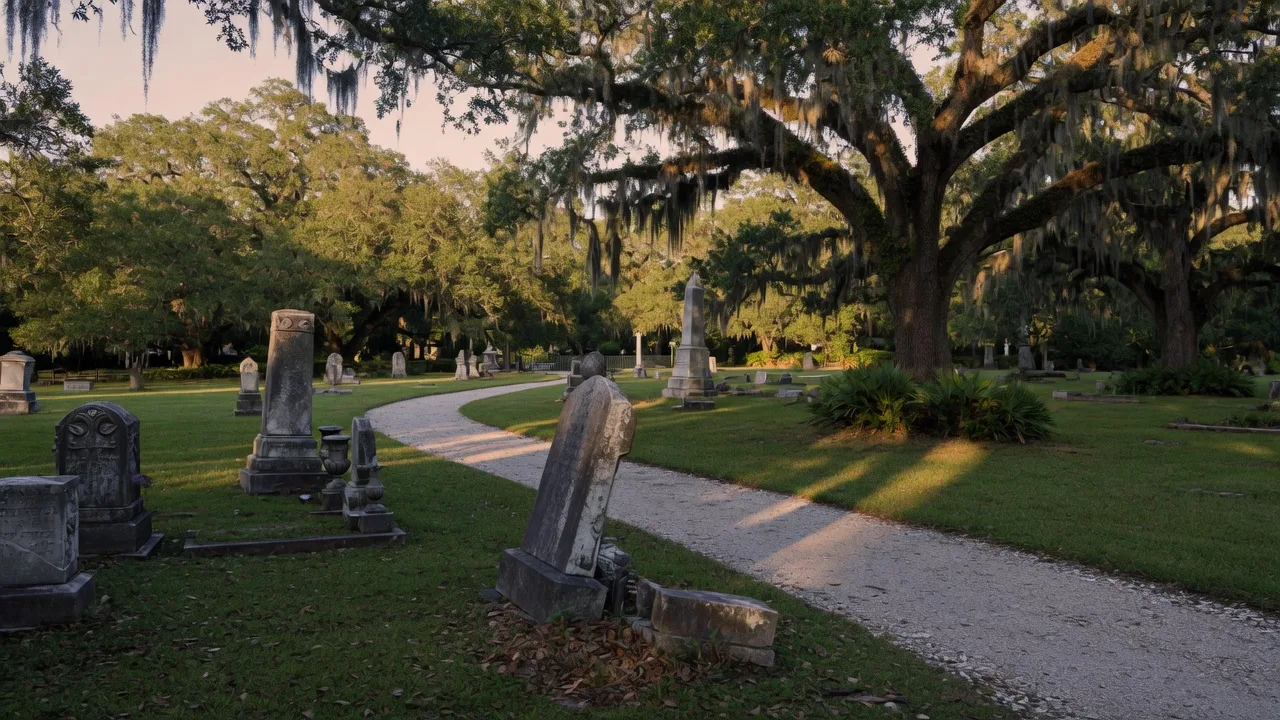
Glenwood was laid out by English horticulturist Alfred Whitaker, who modeled it on two of the era's most famous garden cemeteries: Mount Auburn in Cambridge, Massachusetts, and Greenwood in Brooklyn. The result was Houston's first professionally designed cemetery, with curving roads that follow the bayou's edge, mature oaks draped in Spanish moss, and monuments set into landscaped lawns. More than 150 years later, walking Glenwood's roads still feels like strolling through a designed park, which is exactly what Whitaker intended. The grounds cover roughly 84 acres, including the annexed Washington Cemetery next door, and hold more than 16,000 burials along with a number of Texas Historical Markers.
The Man Who Built the Heights Is Here
For Heights residents, Glenwood holds a direct connection to the neighborhood's own founding. Daniel Denton Cooley, who helped build Houston Heights for the Omaha and South Texas Land Company in the early 1890s, is buried at Glenwood. The Heights was conceived as a planned community under company president Oscar Martin Carter, with Cooley playing a key role in making the neighborhood real, and his grave sits a short distance from the streets he helped create. Standing at his monument, you can look across the bayou toward the neighborhood that grew out of that 1891 plan.
A Who's Who of Houston History
Beyond the Heights connection, Glenwood reads like a walking encyclopedia of Houston and Texas history. Among those interred here: Howard Hughes Jr., the reclusive aviator and industrialist; George R. Brown, co-founder of Brown & Root; Dr. Denton A. Cooley, the pioneering heart surgeon; Anson Jones, the last president of the Republic of Texas; Ross S. Sterling, co-founder of Humble Oil and a Texas governor; and Walter B. Sharp of Sharp-Hughes Tool Company. For anyone who loves Houston history, it is one of the most rewarding walks in the city.
Visiting Glenwood
Glenwood is a working cemetery and a place of respect, so visits are best made quietly. It is generally open to the public during daylight hours, and you can walk the roads or drive them slowly, stopping to read the markers. The Glenwood Cemetery website posts current hours, maps, and information about tours and events, so check it before you plan your visit. From the Heights, it is a short drive down Heights Boulevard or a pleasant bike ride along the bayou, and the garden setting makes it a beautiful stop on a fall afternoon.
Why It Matters to the Heights
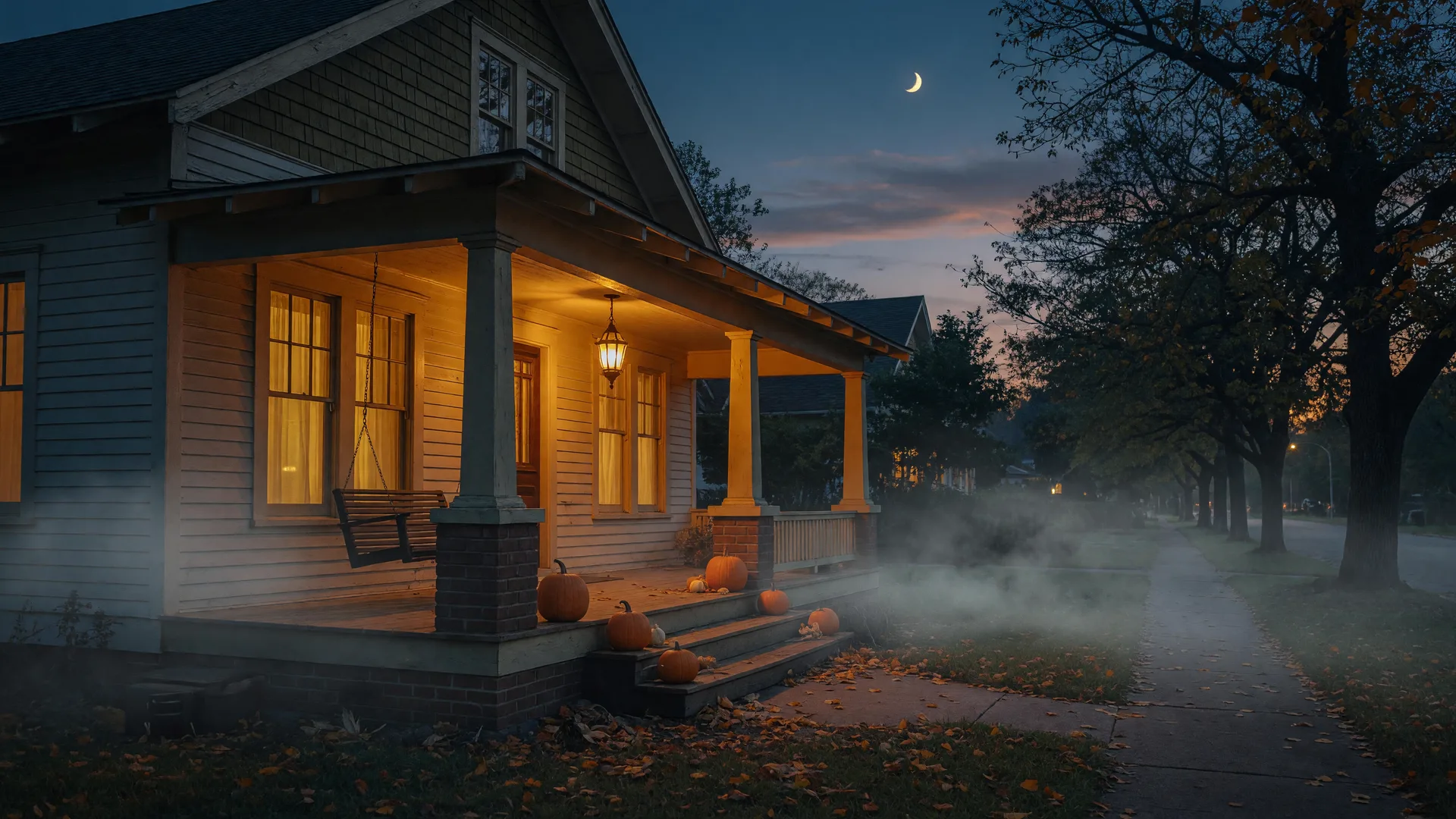
Glenwood matters to the Heights because it holds the neighborhood's own story in its grounds. The man who helped build the streets you walk, the families who shaped early Houston, and generations of Houstonians are all gathered in one quiet, oak-shaded place at the edge of the bayou. It is a reminder that a neighborhood is more than its houses, that the Heights grew out of real people's ambitions, and that some of the best history in Houston is only a walk away. The cemetery's spookier legends get plenty of attention around Halloween, but its real legacy, a planned garden designed to be visited and remembered, deserves a visit in every season. For more on the Heights' own story, start with our history of Houston Heights, and for the stories hidden in the street signs he helped build, see the history behind Heights street names.

Shawn Manderscheid
Fourth-generation Houston Heights native. Over 25 years of local knowledge and community connections.