Woodland Heights: The History of the Heights' Beloved Bayou-Edge Neighborhood
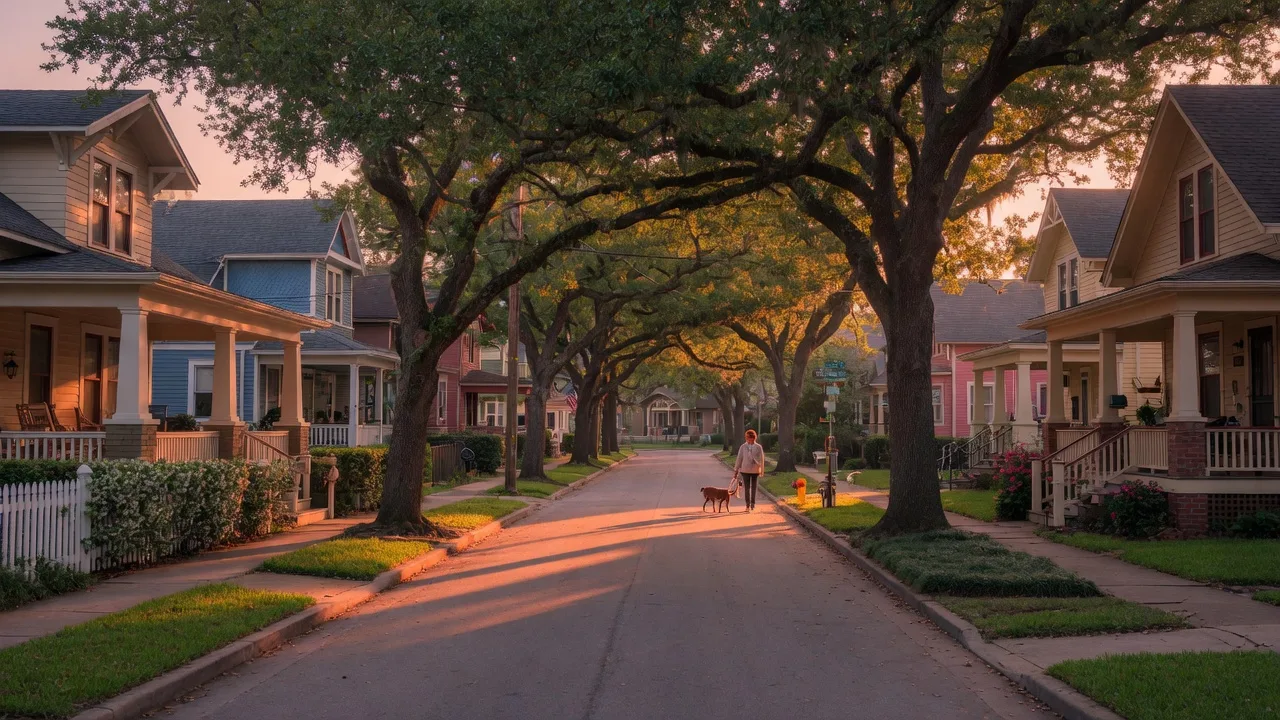
Tucked along the banks of White Oak Bayou just north of the historic Heights core, Woodland Heights is one of Houston's most charming and storied neighborhoods. With its tree-lined streets, early-1900s bungalows, and tight-knit civic spirit, it often feels like a small town folded into the city. Understanding how Woodland Heights came to be makes walking its quiet streets that much richer, so here is the story of this beloved bayou-edge neighborhood and what makes it special today.
A Streetcar Suburb for the New Century
Woodland Heights officially opened on October 15, 1907 as one of Houston's streetcar suburbs, developed by the William A. Wilson Realty Company on roughly 106 acres of high ground near White Oak Bayou. The development offered around 600 lots priced from about $300 to $750, and it was marketed as upscale yet affordable for middle-class families. From the start, the neighborhood came with modern upgrades for its day: water piped to every lot, sewers, cement sidewalks, graded streets, and trees and parks planted by the developer, including oaks, sycamores, and shrubs.
Gate piers at Bayland and Houston Avenues marked the entrance, advertising a planned community where people could live the suburban life while riding the streetcar into downtown to work. Wilson, who also developed nearby additions, went on to build homes in Houston Heights, Westmoreland, and Eastwood, leaving his mark across Houston's early-1900s residential landscape.
A Landmark Home Around Every Corner
Woodland Heights is packed with architecturally significant homes, and several have earned official protection. Highlights include:
The William A. Wilson House at 205 Bayland Avenue, built in 1910 as the developer's own home and the neighborhood's only Prairie-style residence. A City of Houston Protected Landmark, Wilson lived here until his death in 1928.
The R. E. Avery House at 504 Woodland Street, an American Foursquare built in 1910-11 that ranks among the neighborhood's most photographed landmarks.
The Klunkert Farmhouse, dating to around 1875 and predating the subdivision itself, along with other notable homes like the Tomasino House and the Rolle Painter House.
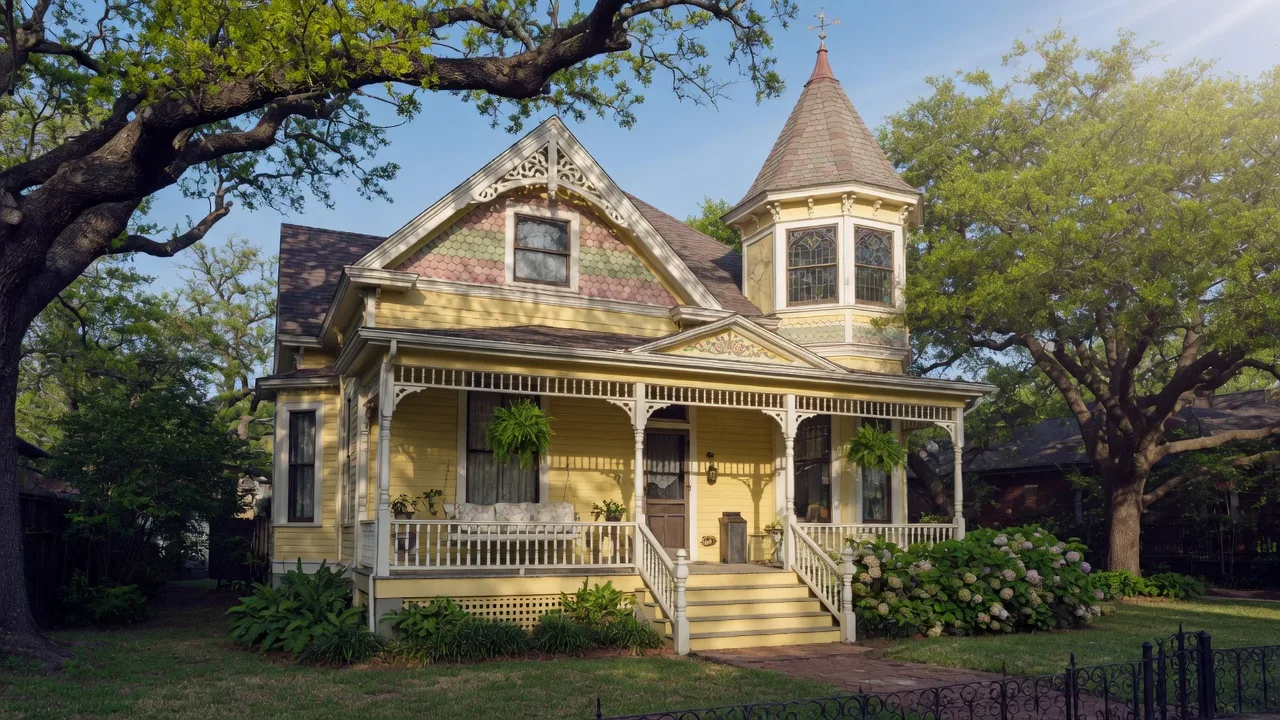
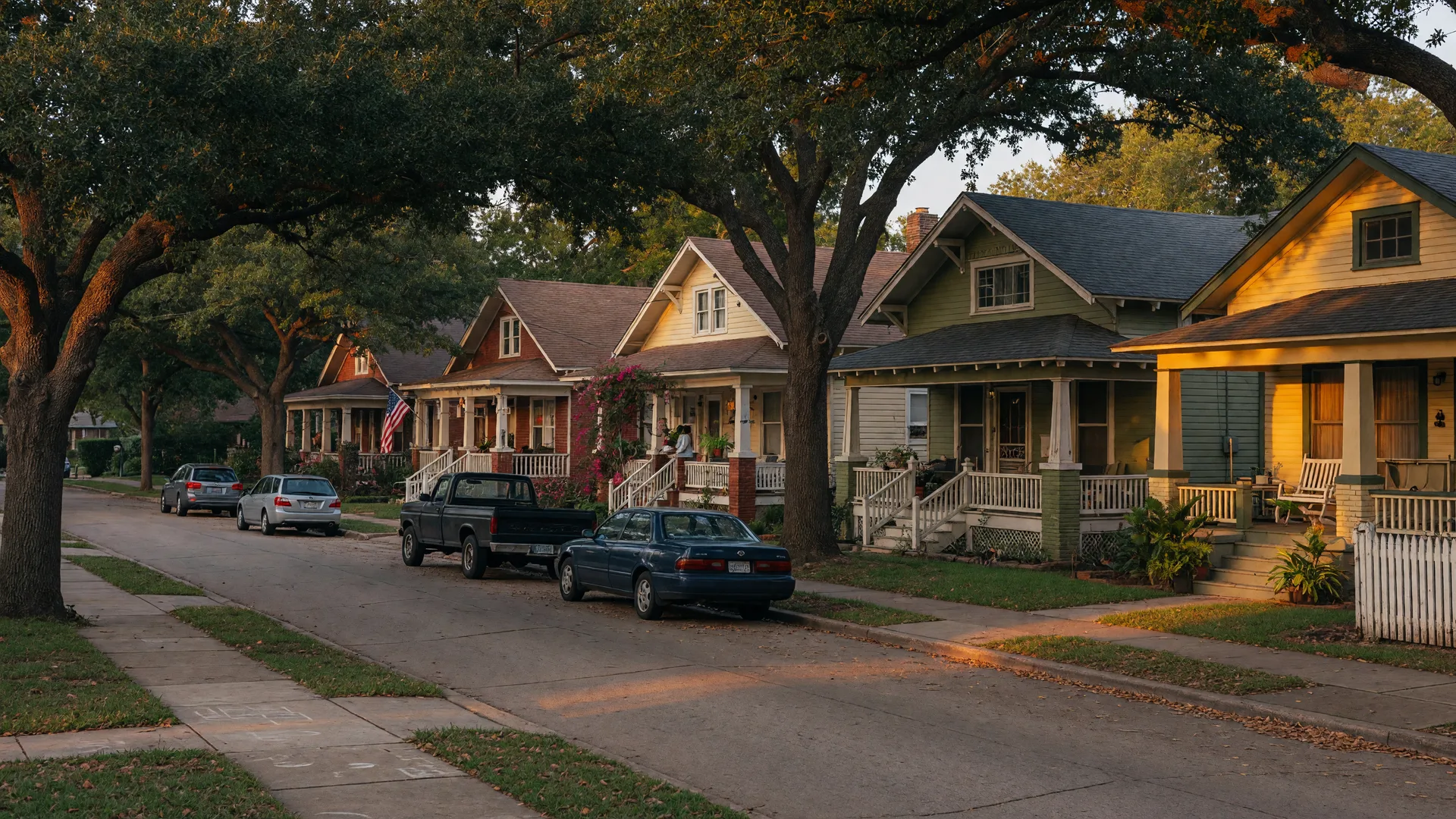
The neighborhood's architecture runs the gamut from American Foursquares and Craftsman bungalows to early-1900s cottages, and it is this remarkably intact housing stock that earned Woodland Heights its well-deserved designation.
A Designated Historic District
In 2011, Woodland Heights was designated a City of Houston Historic District, a recognition that honored three things at once: the neighborhood's illustration of Houston's development between 1907 and 1925, its association with William A. Wilson and other notable early residents, and the architectural quality of its early houses. For homeowners, the designation means the charm residents love is protected, while the neighborhood remains a living, evolving community rather than a museum piece.
Woodland Heights Today
Fast-forward to today, and Woodland Heights is prized for its walkability, its sense of community, and its location. The neighborhood sits just north of the historic Heights, putting it minutes from the shops and restaurants of West 19th Street, the Heights Hike and Bike Trail, and the tree-lined Heights Boulevard esplanade, while the White Oak Bayou Greenway runs right along its southern edge for easy running and cycling.
The Woodland Heights Civic Association keeps the neighborhood connected with events and local news, and the area is famous for its strong holiday spirit. In fact, the beloved Lights in the Heights holiday tradition unfolds right here, with residents decorating their historic homes for a spectacular evening that draws visitors from across the city each December.
For families, the appeal is easy to understand: quiet, tree-shaded streets, classic homes with real character, a genuine neighborhood feel, and easy access to everything the Inner Loop has to offer. For history lovers, it is a rare chance to live in a place where the past is preserved and cherished.
Take a Stroll
The best way to appreciate Woodland Heights is on foot. Park near the bayou, walk up to the Wilson House on Bayland Avenue, wander the side streets past the Foursquares and bungalows, and finish with a coffee or dinner back on 19th Street. You will see why this neighborhood, more than a century after it first welcomed buyers eager to trade the city for a leafy address, remains one of the Heights' most cherished places to live.

Shawn Manderscheid
Fourth-generation Houston Heights native and curator of the Houston Heights Guide. Over 25 years of local knowledge.