The Greater Heights: A Guide to Houston's Most Sought-After Super Neighborhood
You hear "the Heights" all the time in Houston real estate conversations. But what people actually mean when they say it can vary widely. The Greater Heights is a Super Neighborhood — an officially designated area by the City of Houston that encompasses far more than the historic plat of Houston Heights itself. Understanding what falls under this umbrella helps you explore the full range of housing styles, price points, and community vibes the area has to offer.
Where Is the Greater Heights?
The Greater Heights Super Neighborhood is located in north-central Houston, just northwest of downtown and entirely inside the Inner Loop (Loop 610). Roughly speaking, it is bounded by I-10 to the south, Loop 610 to the north, Shepherd and Durham to the west, and I-45 to the east. Within these boundaries you will find a collection of distinct neighborhoods, each with its own identity and character.
The Neighborhoods That Make Up the Greater Heights
Houston Heights (The Historic Core)
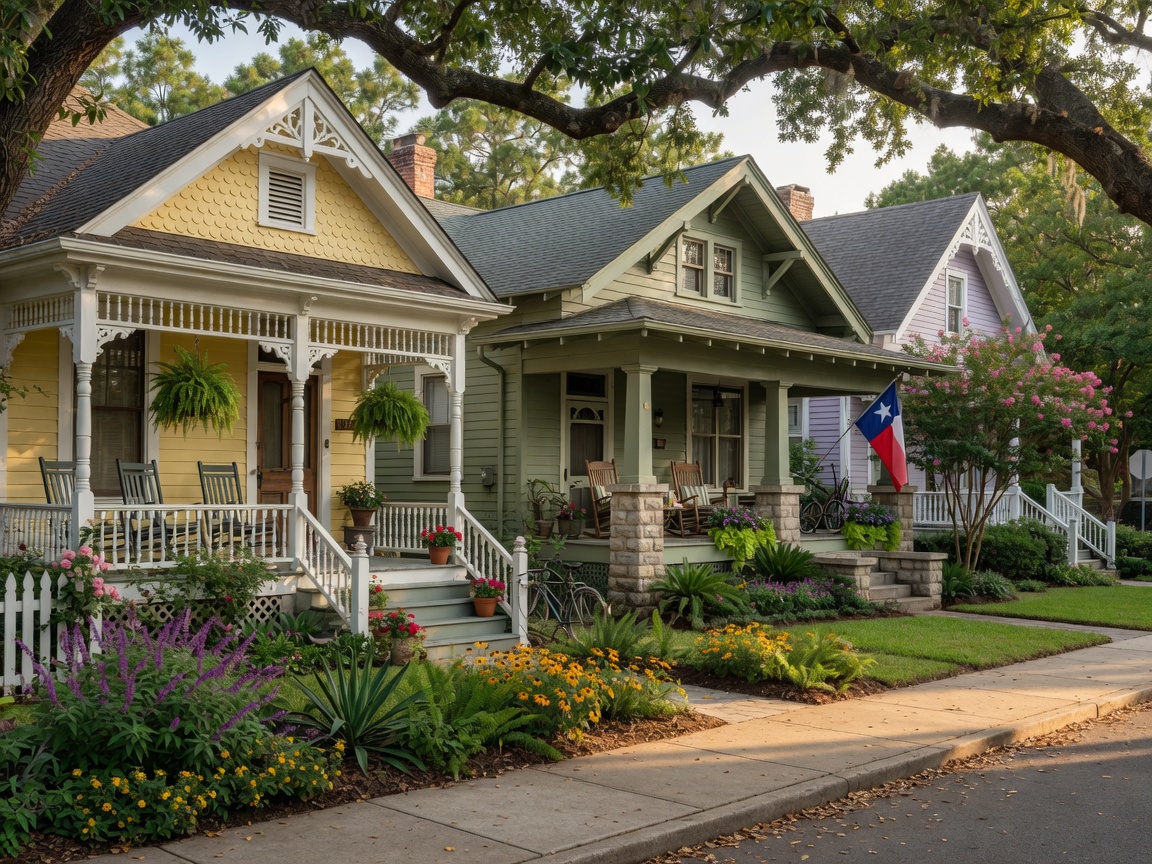
Founded in 1891 as Houston's first streetcar suburb, the original Houston Heights plat is the heart of the area. The tree-lined esplanade on Heights Boulevard, the Queen Anne Victorians and Craftsman bungalows along its side streets, and the buzzing commercial corridor of West 19th Street define the neighborhood. This is the walkable, historic center around which everything else orbits. The Heights has three protected historic districts — Heights East, Heights West, and Woodland Heights — which preserve its architectural heritage through deed restrictions and design review.
Woodland Heights
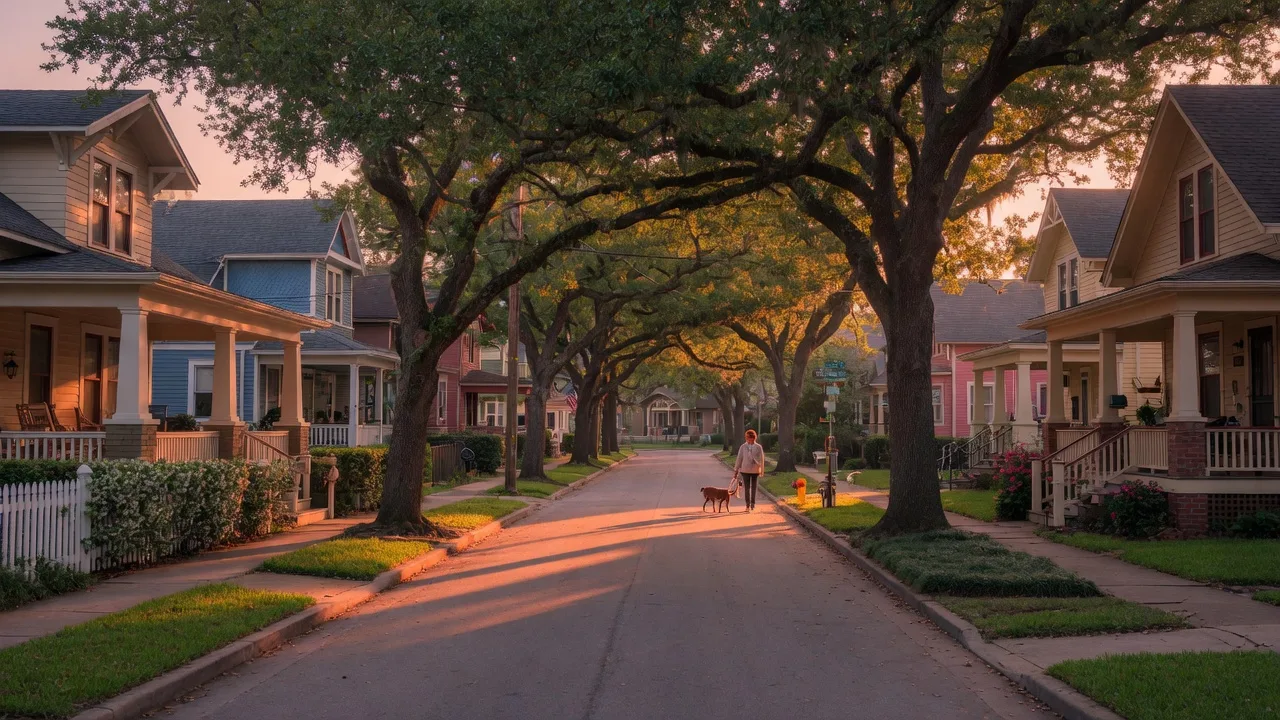
Nestled between Houston Heights and White Oak Bayou, Woodland Heights is a leafy enclave of historic bungalows and newer construction. Its streets are quieter and its lots are generally larger than the core Heights. The neighborhood has its own civic club and a strong sense of identity. Its proximity to the White Oak Bayou Greenway makes it a favorite among runners, cyclists, and dog walkers.
Norhill
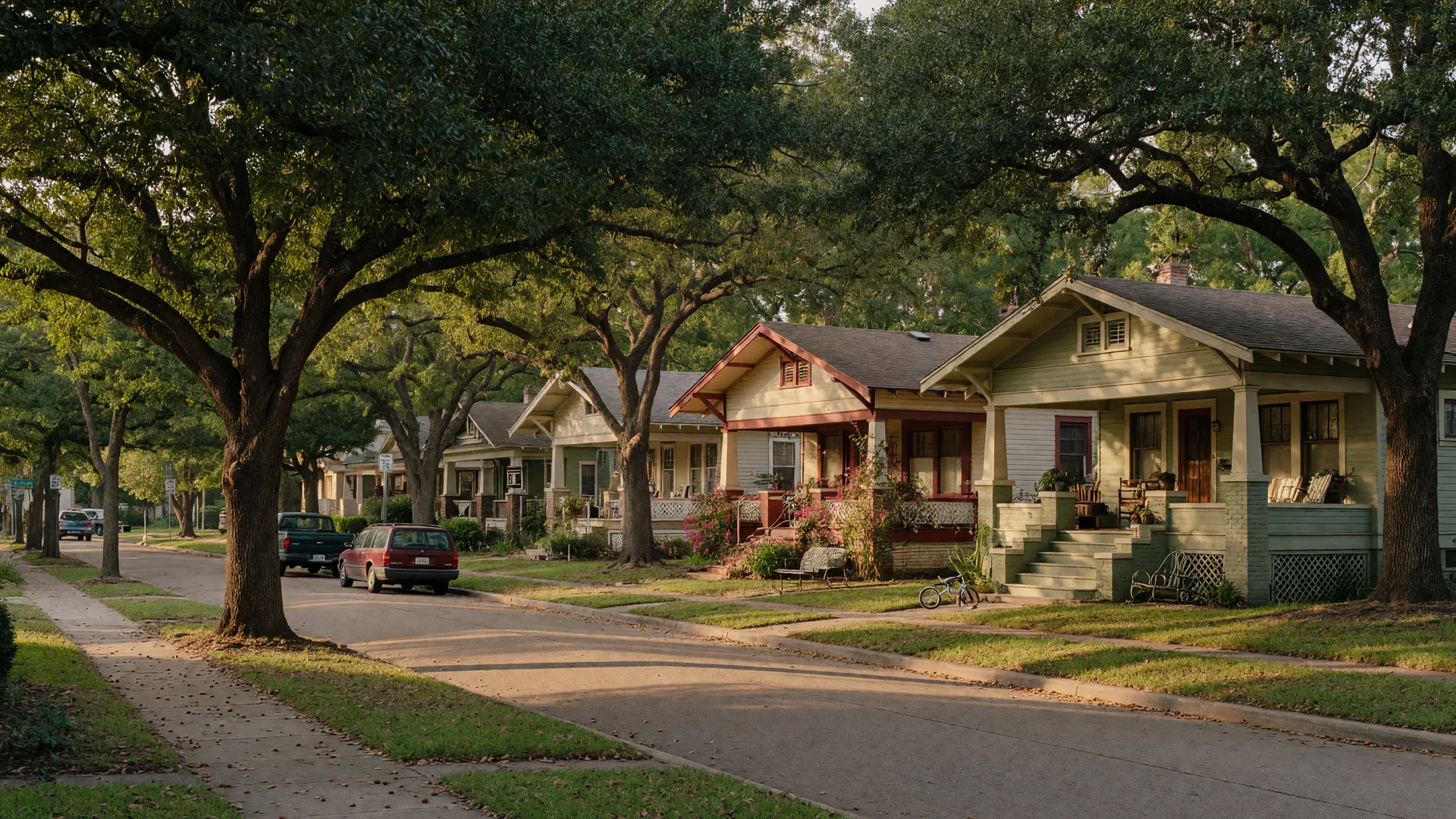
Originally developed in the 1910s as a working-class alternative to River Oaks, Norhill is known for its beautifully preserved Craftsman bungalows on rectangular blocks. It sits east of Heights Boulevard and has its own deed restrictions that protect the character of the neighborhood. Norhill is one of the most architecturally significant pockets of the Greater Heights.
Shady Acres
Located between 11th Street and 610, Shady Acres is a more recent addition to the Greater Heights conversation. Its ranch-style homes and larger lots appeal to families who want the Heights lifestyle with a bit more breathing room. The neighborhood name comes from its original development in the 1930s and 40s, when it was marketed as a wooded retreat from the city.
Sunset Heights
A quiet, deed-restricted neighborhood of Craftsman cottages and bungalows tucked between the Heights and 610. Sunset Heights has a strong civic club and a neighborhood feel that feels surprisingly secluded for its Inner Loop location. It is one of the lesser-known gems of the Greater Heights area.
Timbergrove & Lazybrook
Often mentioned together, these adjacent neighborhoods sit along the northwest edge of the Greater Heights. Timbergrove is known for its towering pine trees and mid-century ranch homes. Lazybrook, developed a bit later, offers a similar feel with more contemporary floor plans. Both neighborhoods back up to the White Oak Bayou Greenway, giving residents direct trail access.
Independence Heights
One of Houston's historically significant African American neighborhoods, Independence Heights was the city's first incorporated African American municipality before annexation. Today it is experiencing renewed interest and investment, with its own set of historic homes and a strong community identity.
What Makes the Greater Heights Special
The Greater Heights concept matters because it reflects the reality of how people live here. A family might buy in Shady Acres for the yard space, walk to the White Oak Bayou trail on weekends, and drive five minutes to dinner on 19th Street. A couple might rent in Norhill for the architecture, commute downtown by bike on the greenway, and do their grocery shopping at the Heights Mercantile market. The neighborhoods are distinct, but they share an interconnected lifestyle.
Walkability is a defining feature. Heights Boulevard itself has a Walk Score of 73, and the 19th Street shopping district scores a remarkable 91 — meaning most errands can be done on foot. The White Oak Bayou Trail and the Heights Hike-and-Bike Trail provide more than 17 miles of continuous paved paths connecting the neighborhoods to downtown, Memorial Park, and beyond.
Historic preservation is another thread that runs through these neighborhoods. Whether through official historic district designations or neighborhood deed restrictions, the character of the Greater Heights has been intentionally protected for generations. The result is a rare combination within the Inner Loop: an area that feels established and stable while still evolving and welcoming new residents.
Finding Your Right Fit
Each pocket of the Greater Heights offers something different. If you want the classic Heights experience with the highest walkability, look at the original Heights plat or Woodland Heights. If you need more square footage and yard space, Shady Acres, Timbergrove, and Oak Forest (just north of 610) become attractive options. If historic character at a slightly lower entry point appeals to you, Norhill and Sunset Heights are worth exploring. And if the center of gravity is the greenway trail network, any neighborhood bordering White Oak Bayou puts you on the path.
The Shawn Manderscheid Team has helped families find the right neighborhood throughout the Greater Heights for more than 25 years. If you are exploring the area and wondering which pocket fits your lifestyle, we would love to share what we know. The best way to understand the Greater Heights is to spend time in it — walk the esplanade, visit the farmers market, grab lunch on 19th Street, and see for yourself why this corner of Houston continues to be one of the most sought-after places to live inside the Loop.

Shawn Manderscheid
Fourth-generation Houston Heights native. Over 25 years of local knowledge and community connections across the Greater Heights.