Norhill: Exploring the Heights' Historic Bungalow Neighborhood
Tucked between the Houston Heights and Woodland Heights, Norhill is one of those neighborhoods that longtime locals know well but newcomers often discover by accident. Once you find it, you understand why people stay. With its uniform rows of Craftsman bungalows, esplanade-lined boulevards, and a history that ties directly to the same developer who shaped River Oaks, Norhill is a neighborhood with a story worth knowing.
A Neighborhood Built for Working Families
Norhill was developed in 1920 by William C. Hogg, a prominent Houston philanthropist and the son of Texas Governor James Stephen Hogg. Hogg had already made his mark on the city by co-developing River Oaks, but Norhill was a different project entirely. Where River Oaks was designed for Houston's elite, Norhill was conceived as a master-planned community for working families — an affordable, thoughtfully designed alternative with the same attention to infrastructure and green space.
The land was originally pasture owned by Henry Stude, and the name Norhill is a contraction of "North Hill" — a reference to the neighborhood's elevation, which sits about 23 feet higher than downtown Houston. That higher ground was a genuine selling point in a city prone to flooding, and it remains an asset today.
The city of Houston annexed Norhill in 1927, and the neighborhood has since been designated a historic district, ensuring its architectural character is preserved for the long term.
The Bungalows That Define the Streets
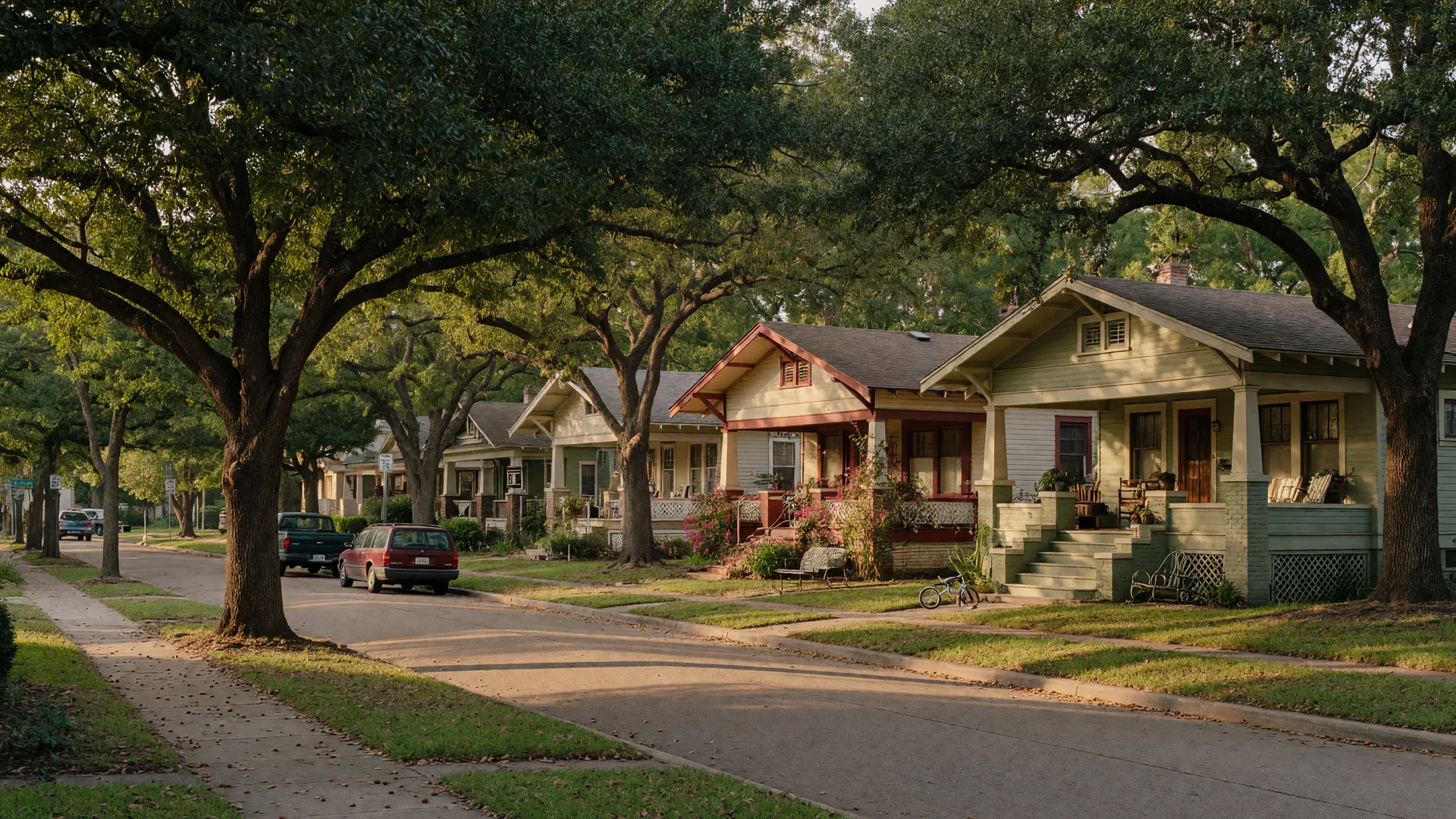
What makes Norhill visually distinct is its remarkable consistency. The neighborhood is almost entirely composed of one-story Craftsman bungalows built from the 1920s through the 1930s, typically on 50-by-100-foot lots. These homes were often built from catalog plans — designs from Ladies' Home Journal, Sears Roebuck & Co., and other mail-order sources that made quality architectural plans affordable for the average builder.
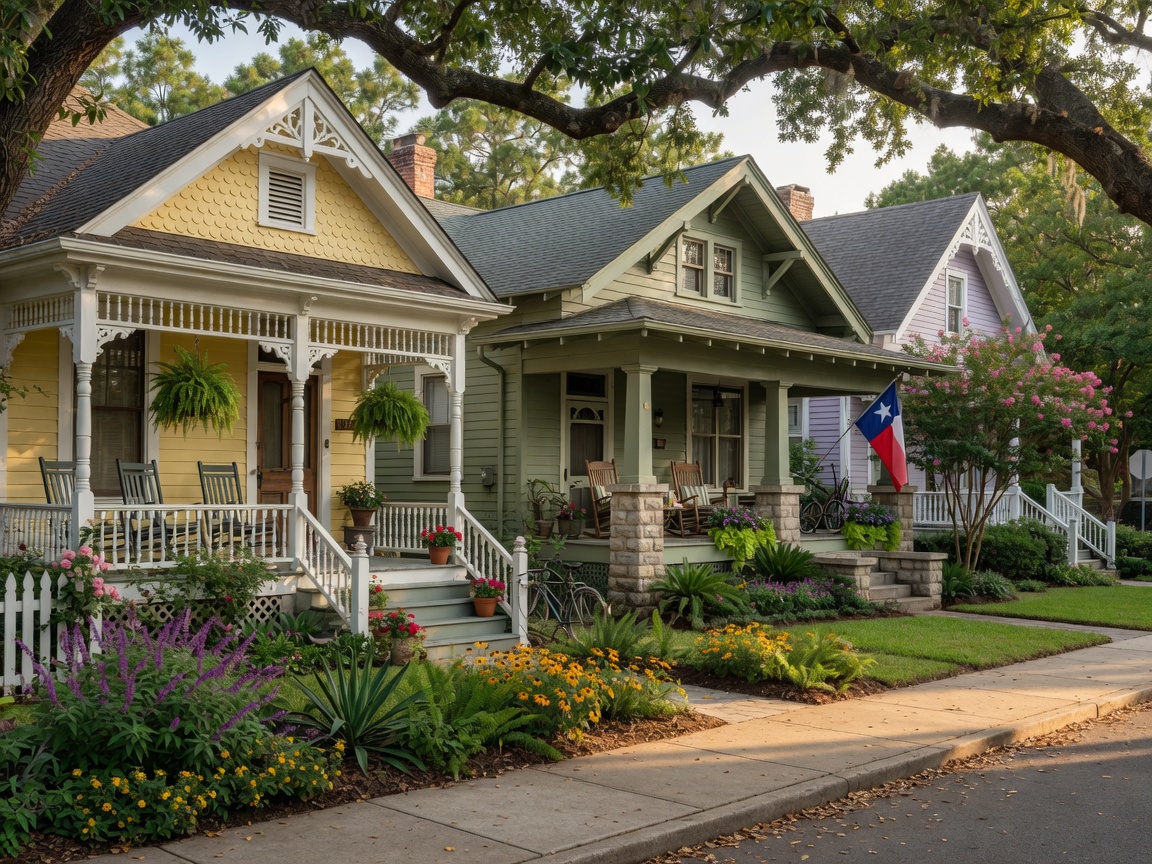
The result is a neighborhood where nearly every house shares a common language — low-pitched roofs, wide covered front porches, exposed rafters, and rooms that flow into one another rather than isolating behind closed doors. Those front porches are essential to Norhill's character. In Houston's humid climate, they function as outdoor living spaces where neighbors sit, read, and wave to passersby. On a summer evening, the front porches of Norhill are one of the most pleasant places in the city.
Today, many of these bungalows have been thoughtfully updated with modern kitchens and primary suites while preserving their original architectural details. Original hardwood floors, built-in cabinetry, and period light fixtures are common finds.
Green Spaces and Community Life
Hogg's master plan included dedicated green space, and Norhill Boulevard is the neighborhood's defining feature — a broad esplanade running down the center of the street, lined with mature trees and providing a park-like corridor for walking, jogging, and dog-walking. The neighborhood also centers around Proctor Plaza Park, a small but well-used green space with a playground, benches, and open grass.
The Proctor Plaza Neighborhood Association keeps the community connected, hosting an annual National Night Out gathering, a biennial home tour that draws visitors from across the city, and regular neighborhood cleanups. It is an active, engaged community where longtime residents and newcomers alike take pride in the neighborhood's character.
Location and Walkability
One of Norhill's greatest assets is its location. It sits just north of the Houston Heights and east of I-45, placing it minutes from everything the Heights has to offer — the restaurants and shops along 19th Street, the Heights Mercantile complex, the farmers market, and the White Oak Bayou trail system.
Washington Avenue, downtown Houston, and the Memorial Park trail network are all within a short drive or bike ride. For daily errands, the Studewood Street corridor provides grocery stores, pharmacies, and quick-service restaurants within walking distance. Norhill is one of those rare Inner Loop neighborhoods where you can genuinely live without needing a car for every trip.
Norhill vs. the Heights: What's the Difference?
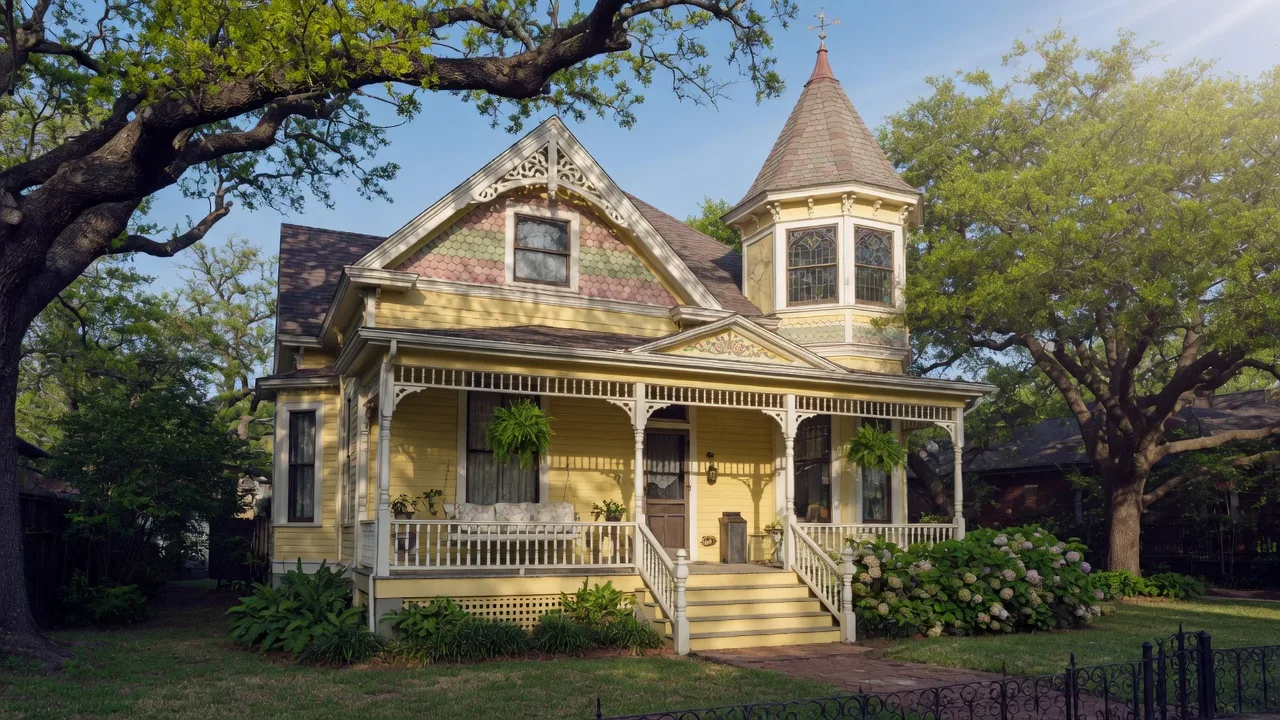
Visitors often wonder about the distinction between Norhill and the Houston Heights proper. The Heights was founded in 1891 as an independent streetcar suburb with a wider range of architectural styles — Queen Anne Victorians, Colonial Revivals, Craftsman bungalows, and more. Norhill, developed three decades later, is more architecturally uniform, with its nearly exclusive focus on Craftsman bungalows.
Norhill also tends to offer slightly more affordable entry points than the most desirable blocks of the Heights, though that gap has narrowed significantly in recent years as buyers have discovered the neighborhood's appeal. What both neighborhoods share is a strong sense of community, historic preservation, and walkable urban living.
Norhill at a Glance
- Developed: 1920 by William C. Hogg
- Architecture: Primarily Craftsman bungalows (1920s–1930s)
- Historic district: Yes, designated by the City of Houston
- Key feature: Norhill Boulevard esplanade
- Neighborhood park: Proctor Plaza Park
- Community group: Proctor Plaza Neighborhood Association
Whether you are already a Norhill resident, considering a move, or simply exploring the historic neighborhoods of the Inner Loop, Norhill rewards a slow walk down its streets. The bungalows, the esplanades, the front-porch culture — it adds up to a neighborhood that feels both timeless and very much alive.

Shawn Manderscheid
Fourth-generation Houston Heights native. Over 25 years of local knowledge and community connections.