The Story of Cottage Grove: From Early Suburb to Inner Loop Destination
Tucked between the Washington Avenue corridor and Memorial Park, Cottage Grove is one of Houston's most fascinating neighborhood stories. It began over a century ago as one of the city's earliest planned suburbs, a place of modest cottage homes on generous lots. Today, it sits at the center of some of the most dynamic urban renewal in the Inner Loop. Here is the story of how Cotton Grove became Cottage Grove and how a quiet working-class community became one of Houston's most desirable addresses.
A Suburb at the Rail Stop
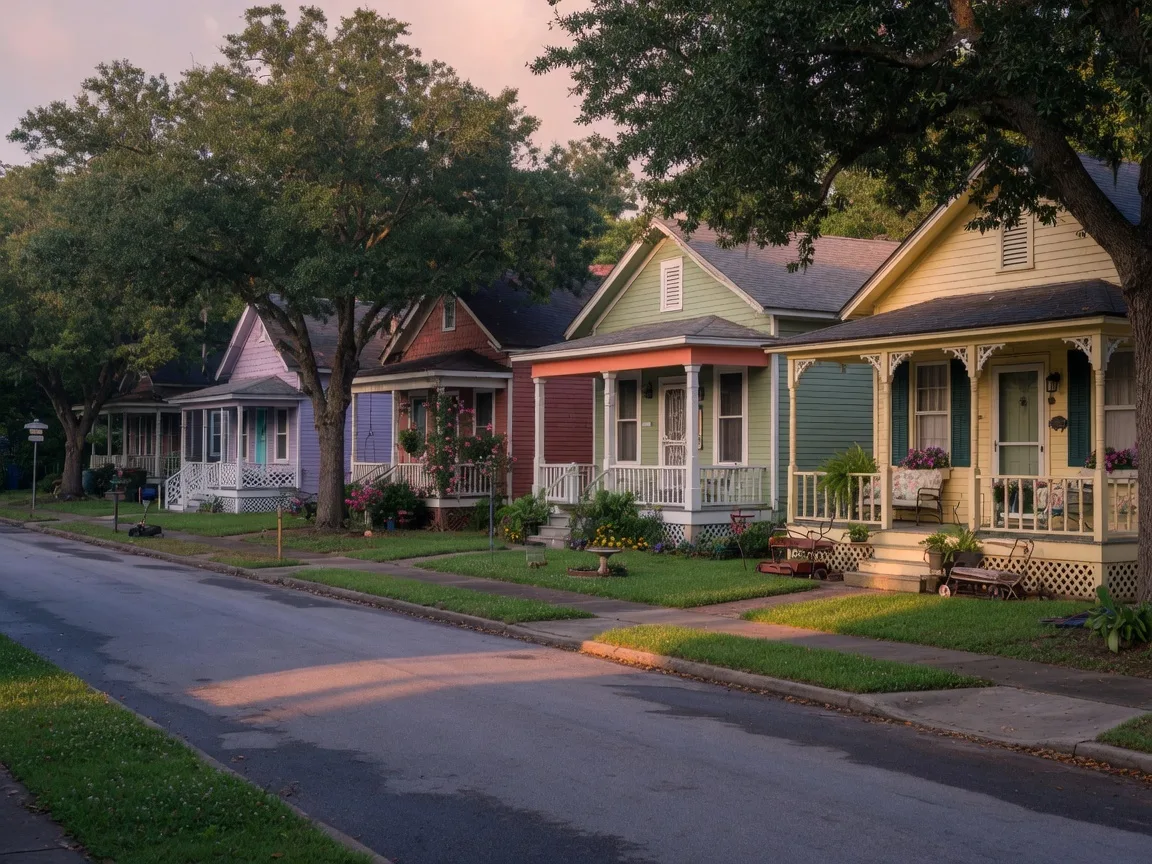
In 1910, the Bankers Trust Company platted a new subdivision on land that had been open prairie and farmland just northwest of downtown Houston. The neighborhood was located at the Eureka Junction stop of the Houston and Texas Central Railway, making it one of the city's first commuter suburbs. The name "Cottage Grove" came from the hundreds of small, cottage-style homes planned for the development — modest, affordable houses designed for working-class families who wanted space and fresh air outside the crowded city center.
The neighborhood's street names tell a story of their own. Streets like Roy, Arabelle, and Radcliffe were named after Bankers Trust employees and their families. Shepherd Drive, which forms the neighborhood's eastern boundary, was named after the Shepherd family, early Houston settlers whose name now marks one of the city's major thoroughfares. Washington Avenue, to the south, was already an established route connecting Houston to the western reaches of the county.
The Early Decades: 1910 through the 1950s
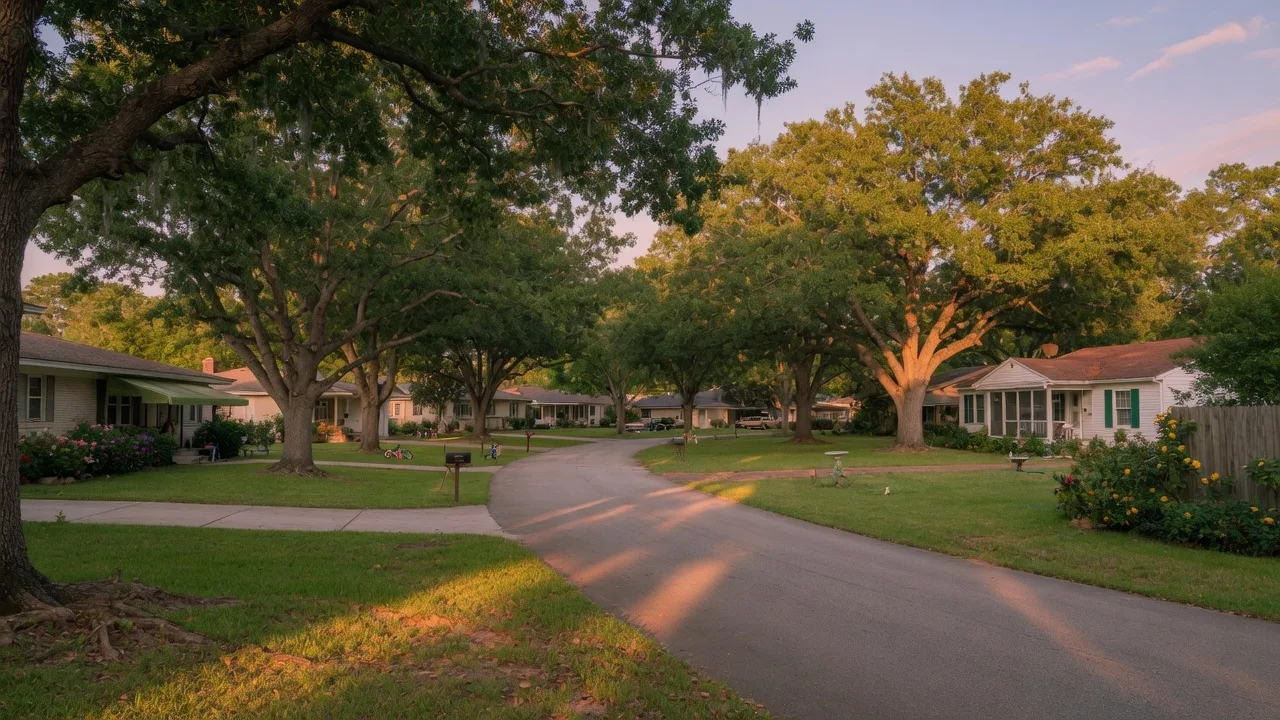
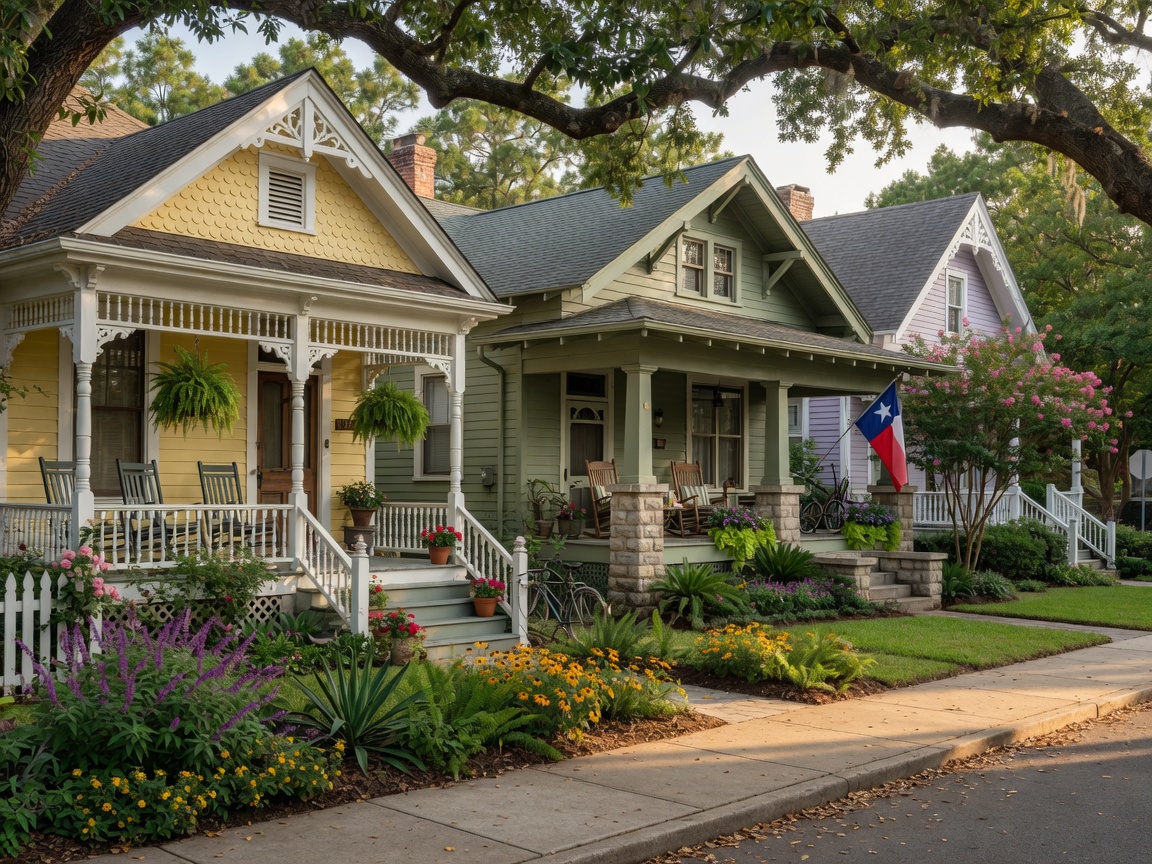
From its founding through the 1950s, Cottage Grove was a quiet, family-oriented community of single-family homes on large, tree-shaded lots. Early insurance maps from the era show the neighborhood dotted with small grocery stores, taverns, and service businesses that served the daily needs of residents. The cottages themselves were built in a range of styles — Craftsman bungalows, minimal traditional houses, and simple frame structures — all united by their modest scale and front-porch character.
The neighborhood's location, though convenient to downtown by train, kept it somewhat insulated from the rapid growth happening elsewhere in Houston. Generations of families lived in the same houses, and the community developed a tight-knit identity that persisted for decades. The large lots — many of them 5,000 square feet or more — gave residents room for gardens, children's play areas, and the kind of outdoor living that has always defined Houston's best neighborhoods.
The I-10 Divide and Decades of Change
The construction of Interstate 10 (the Katy Freeway) in the mid-1960s was a defining moment for Cottage Grove. The highway cut across the neighborhood's southern section, physically separating the community from the Washington Avenue corridor and altering the neighborhood's relationship to the city. For decades afterward, Cottage Grove remained a relatively quiet, overlooked pocket of the city — still desirable to those who knew it, but largely below the radar of Houston's broader real estate market.
During the 1970s and 1980s, the neighborhood held steady while areas closer to downtown experienced more dramatic change. The original cottages aged gracefully, and the massive oak trees that lined the streets grew into the canopies that define the neighborhood today. Cottage Grove remained a place where working families could afford a home with a yard inside the 610 Loop.
The Redevelopment Era
Beginning in the early 2000s, Cottage Grove began a dramatic transformation. The neighborhood's location — minutes from downtown, adjacent to Memorial Park, and steps from the burgeoning Washington Avenue restaurant and nightlife corridor — made it a prime target for redevelopment. By 2009, many single-cottage lots were being redeveloped with multiple three- and four-story townhouses, and the neighborhood's housing stock began to diversify in earnest.
Today, Cottage Grove is an eclectic mix of old and new. Vintage 1920s cottages sit alongside sleek contemporary townhomes. Original residents share the street with young professionals and families drawn by the neighborhood's proximity to Memorial Park, the White Oak Bayou Greenway, and some of Houston's best dining and entertainment. The neighborhood has become a textbook example of Inner Loop infill development — a process that has brought new energy and investment while also challenging the community to preserve its character.
Cottage Grove Today: What Makes It Special
For a neighborhood of its size, Cottage Grove packs an extraordinary amount of access and convenience. The Memorial Park trail system is a short walk or bike ride away, offering 1,500 acres of running trails, tennis courts, the Eastern Glades, and one of the best urban parks in the country. The White Oak Bayou Greenway runs along the neighborhood's edge, connecting cyclists and pedestrians to the Heights trail system and downtown. The Washington Avenue corridor is steps to the south, with its concentration of restaurants, bars, and entertainment venues.
The neighborhood's housing stock has become one of its most compelling features. The surviving original cottages, many of which have been beautifully updated, offer a character and warmth that newer construction cannot replicate. And the newer townhomes and patio homes provide options for buyers who want modern finishes in an established, walkable neighborhood. It is a rare combination in Houston's Inner Loop.
The community remains active through the Cottage Grove Civic Club and neighborhood association, which organizes events, maintains community green spaces, and advocates for thoughtful development. The neighborhood's diversity of housing, age groups, and backgrounds makes it one of the more genuinely mixed communities inside the Loop.
Cottage Grove at a Glance
- Established: 1910 by Bankers Trust Company
- Original character: Cottage-style homes on large lots, rail suburb
- Key event: I-10 construction in the 1960s divided the neighborhood
- Major redevelopment: Early 2000s to present
- Neighborhood amenities: Steps from Memorial Park, White Oak Bayou Greenway, Washington Avenue corridor
- Housing mix: Original 1920s cottages, updated bungalows, contemporary townhomes and patio homes
A Neighborhood in Transition, A Community Enduring
Cottage Grove's story is not finished. As Houston's Inner Loop continues to densify, the neighborhood faces the same pressures as other close-in communities — how to welcome new development without losing the character that made the area desirable in the first place. But the neighborhood's century-long history suggests it will navigate this transition as it has every other one: with the quiet resilience of a community that knows its worth.
For anyone exploring Houston's Inner Loop neighborhoods, Cottage Grove offers something genuinely rare: a place where you can still see the city's early twentieth-century suburban heritage in the architecture and street patterns, while also being at the center of Houston's most exciting urban revival. It is a neighborhood of layers, and each layer tells a story worth knowing.

Shawn Manderscheid
Fourth-generation Houston Heights native and leader of the Shawn Manderscheid Team. Over 25 years of local knowledge and community connections.