The History of Garden Oaks: From Wooded Wonderland to Inner Loop Gem
Just north of the 610 Loop and a few minutes from the Houston Heights, Garden Oaks has quietly become one of the most desirable Inner Loop neighborhoods in Houston. Its winding, tree-shaded streets, large lots, and distinctively unhurried character make it feel like a small town tucked inside the city. But the story of how Garden Oaks came to be — and how it has evolved over nearly a century — is a fascinating chapter in Houston's urban history.
'Houston's Wooded Wonderland'
Garden Oaks was established in 1937 by Edward L. Crain through the Garden Oaks Company, which marketed the area as "Houston's Wooded Wonderland." The vision was deliberate and distinctive: this would not be a typical grid-subdivision neighborhood. Instead, Crain planned a community of country estates within the city, where residents could enjoy the space and privacy of suburban living while remaining close to downtown Houston.
The neighborhood was platted in five sections, each developed separately. Sections 1 and 2 were well established by the beginning of World War II, while Section 3 was still under development during the war years. Each section maintained the same guiding principles: generous lots, winding streets that followed the natural topography, and a deep respect for the existing tree canopy.
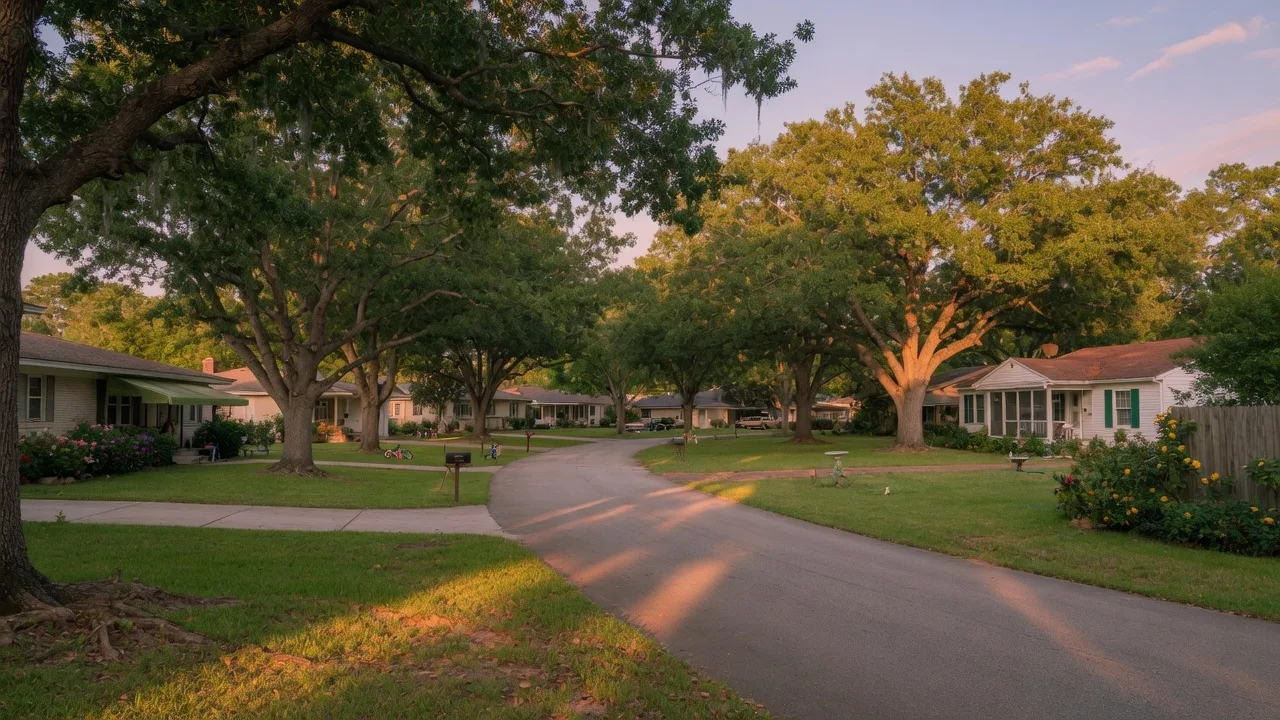
The street names alone tell the story — Garden Oaks Boulevard, Pecan, Oak, Pine, and Magnolia — and the streets themselves were designed without curbs or gutters, a deliberate choice that gives the neighborhood its signature rustic, natural feel. The result is a neighborhood that feels more like a forested retreat than a city subdivision, even today.
Architecture and Character
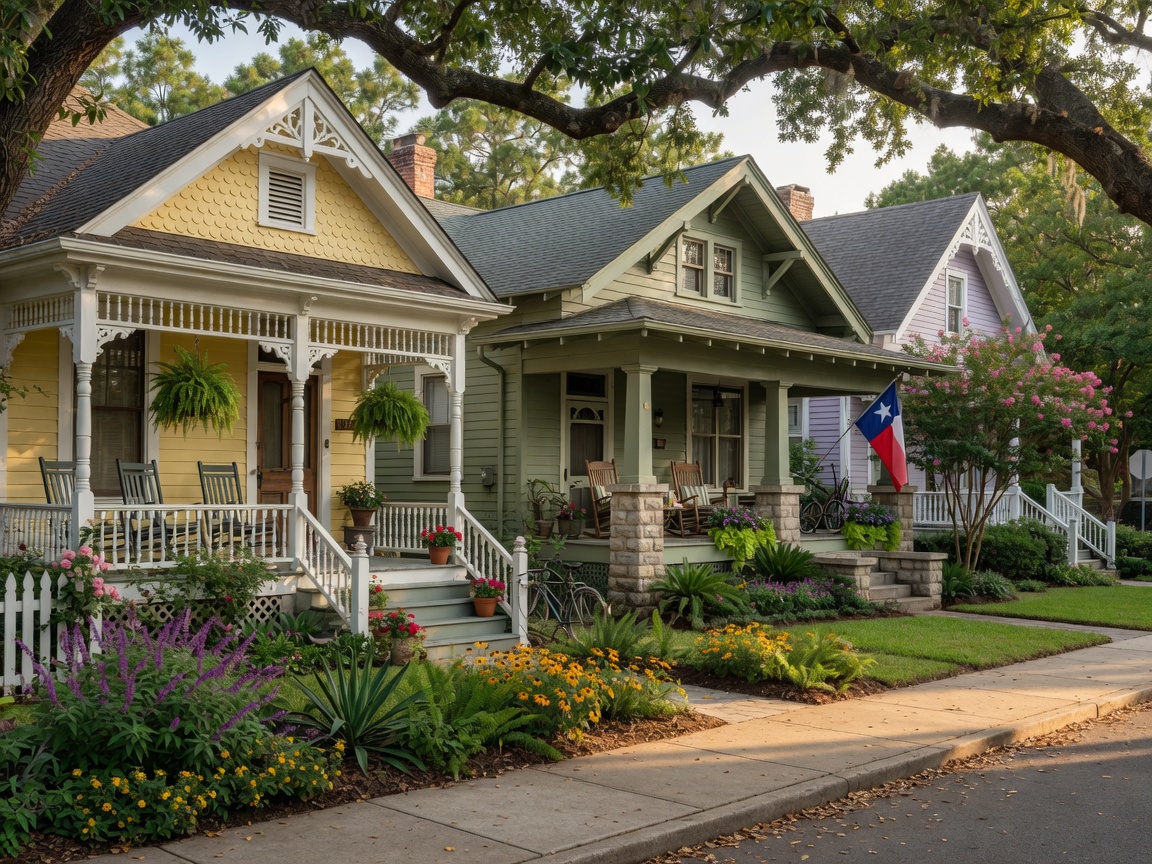
The original homes in Garden Oaks are predominantly cottages, ranch-style houses, and bungalows — modest, well-built structures designed for families who wanted space and nature. The homes sit on lots that are noticeably larger than typical Inner Loop infill, with front yards shaded by mature oaks, pecans, and magnolias that were carefully preserved during development.
Unlike the Houston Heights, where Victorian and Craftsman architecture dominates, Garden Oaks is primarily mid-century in character. The ranch-style homes, in particular, reflect the post-war optimism of the 1940s and 1950s, when the neighborhood saw its most significant growth. Many of these original homes have been thoughtfully updated and expanded in recent years, but the neighborhood's architectural DNA remains intact.
Community and Governance
Garden Oaks has always been a deed-restricted community, initially managed by the Garden Oaks Maintenance Organization (GOMO), which enforces the neighborhood's covenants and deed restrictions. These restrictions have been key to preserving the neighborhood's character — minimum lot sizes, setback requirements, and tree protection have kept the area from being overrun by the kind of infill development that has transformed other parts of the Inner Loop.
The Garden Oaks Civic Club (GOCC) is the neighborhood's social and civic heart, organizing events, neighborhood cleanups, and community gatherings. The club's annual events — including the Garden Oaks 4th of July parade and the fall neighborhood picnic — are deeply cherished traditions that build the kind of neighborly bonds that define the area.
In recent years, the neighborhood has worked to address the painful legacy of racist deed restrictions that were included in the original plats. These restrictions, which were rendered unenforceable by the Federal Fair Housing Act of 1968, have been formally removed through a community-led effort, reflecting the neighborhood's commitment to being welcoming and inclusive.
Garden Oaks Today
Today, Garden Oaks contains approximately 1,400 homes, giving it the intimate scale of a small town. The neighborhood's location — just inside the 610 Loop, minutes from the Heights, and with easy access to downtown and the Texas Medical Center — has made it increasingly popular with families and professionals who want the space and character of an older neighborhood without sacrificing convenience.
The commercial corridor along N Shepherd Drive has grown alongside the neighborhood, with local businesses like Common Bond On-the-Go, the Garden Oaks Farmer's Market pop-ups, and family-friendly restaurants creating a genuine neighborhood hub. The area's proximity to the Heights Hike & Bike Trail, White Oak Bayou, and several major parks adds to its appeal for outdoor-minded residents.
Garden Oaks is served by the Houston Independent School District, with Oak Forest Elementary, Black Middle School, and Waltrip High School serving the area. Several private and charter school options are also nearby, making it a practical choice for families who value educational options.
What Makes Garden Oaks Special
For longtime Houstonians, Garden Oaks has always been one of those "if you know, you know" neighborhoods. It lacks the name recognition of the Heights or Montrose, but the people who live here tend to stay for decades. The combination of generous lots, mature trees, a strong civic association, and a location that's central without being congested has created a community that's genuinely rare in a city of Houston's size.
The neighborhood's history as a "wooded wonderland" is still visible in every block — the canopy of oaks and pecans, the winding streets without curbs, the sense that you're in a place that was designed with care rather than speed. That original vision, planted in 1937, has grown into something enduring: a neighborhood that feels like a refuge, even as the city has grown up around it.
Garden Oaks at a Glance
- Established: 1937 by Edward L. Crain
- Original motto: "Houston's Wooded Wonderland"
- Homes: ~1,400, primarily ranch and cottage styles
- Governance: Garden Oaks Maintenance Organization (GOMO) & Garden Oaks Civic Club (GOCC)
- Notable feature: Winding streets without curbs, preserved tree canopy

Shawn Manderscheid
Fourth-generation Houston Heights native. Over 25 years of local knowledge and community connections.