Riding the Rails: How the Streetcar Built the Heights
Before the Heights was a walkable inner-loop hotspot, it was one of Texas's earliest streetcar suburbs, a planned community connected to downtown by electric rail. The streetcar did not just serve the Heights; it helped create it, because the same developer built both the neighborhood and the line that made it livable. Here is the story of how the trolley shaped Houston Heights, and what of that rail era you can still see today.
A Suburb Built Around a Trolley
In the late nineteenth century, Houston was growing fast, but most of the city was still clustered near downtown, reachable only on foot, by horse, or by the slow mule-drawn streetcars that clattered along a few main streets. In 1890, Omaha banker Oscar Martin Carter arrived with a plan: buy up land a few miles north of downtown, on higher ground away from the bayou floods, and build a subdivision for people who wanted country air with city jobs. The result was the Houston Heights, platted in 1891 by Carter's Omaha and South Texas Land Company.
A suburb only works if its residents can get to work. So Carter did something clever: he bought Houston's two struggling mule-drawn streetcar systems, merged them into the Houston City Street Railway Company, and converted the lines to electric power. Electric streetcar service began in June 1891, and the neighborhood and its transit line grew up together from the very start.
The Heights Line Opens in 1892
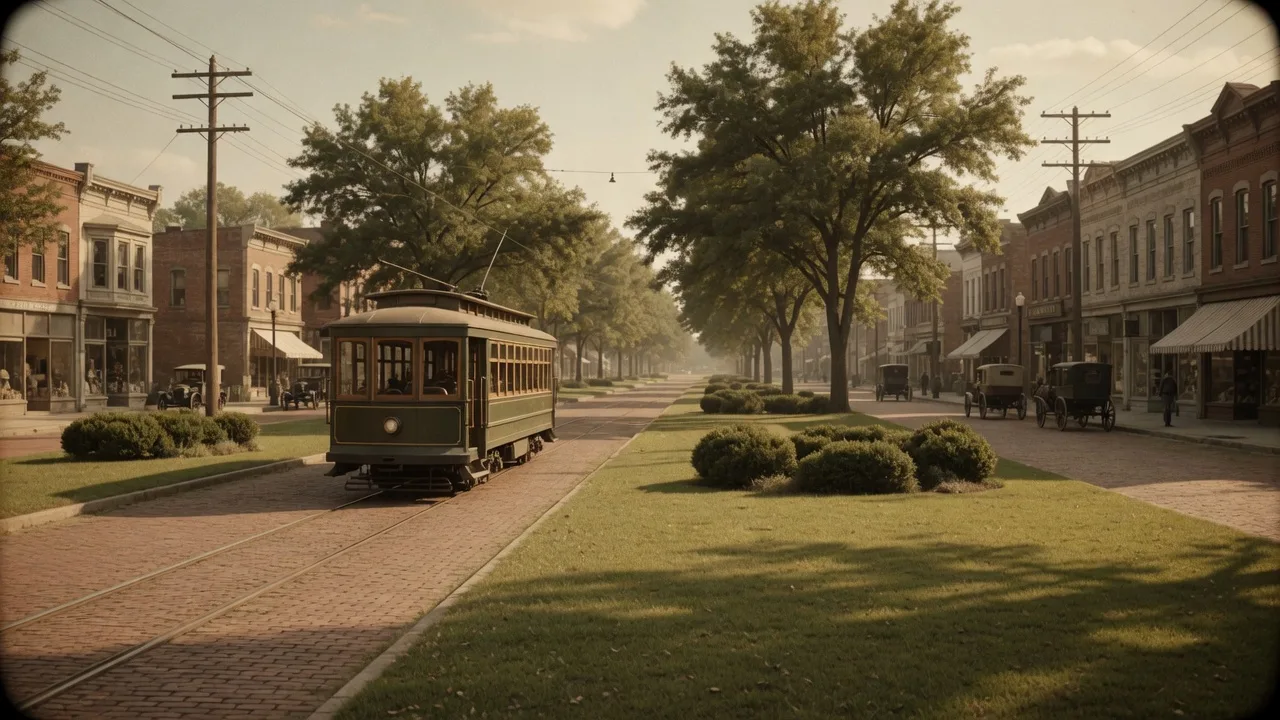
In 1892, the dedicated Heights line opened, and it was a statement piece. The main route ran from downtown's Franklin Street up Washington Avenue and Heights Boulevard to about 19th Street, and for several years it operated as its own company serving Carter's new development. Locals who lived along the line could ride to downtown offices, shops, and rail depots in a fraction of the time a mule car or a long walk would take.
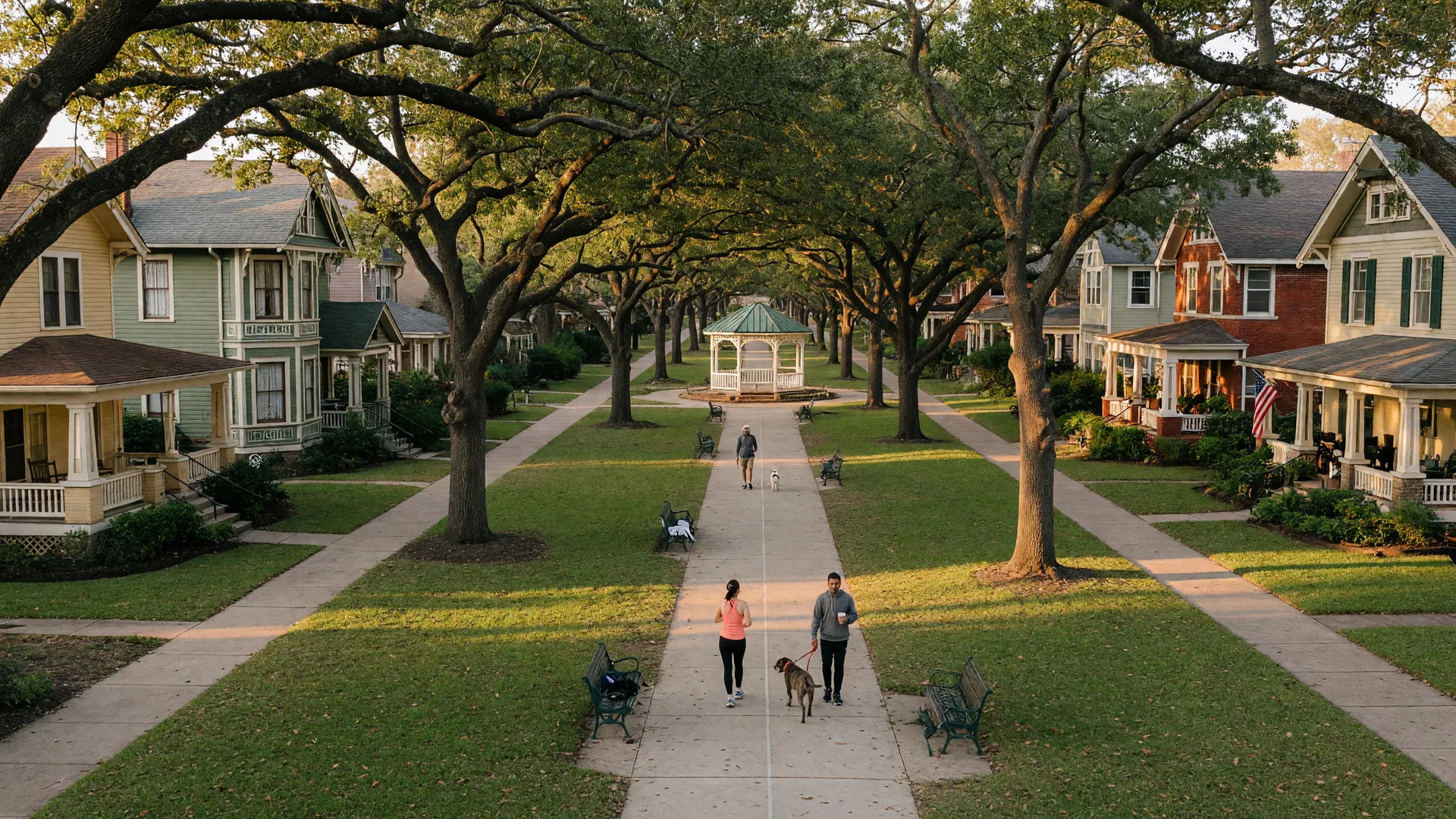
The most beautiful detail came from the route's design: the tracks ran in the landscaped medians that flanked Heights Boulevard's grand esplanade. That 60-foot esplanade was built wide and parklike on purpose, with the trolley humming down the middle of it. Today the esplanade survives as the tree-lined walking and jogging path that anchors the neighborhood, which means when you stroll it, you are following the exact corridor where Houston Heights' first electric streetcars rolled.
Consolidation Under the Houston Electric Company
Carter's streetcar empire did not last forever. The Houston City Street Railway went into receivership, and in 1901 the consolidated system was acquired by the Houston Electric Company, a utility managed by the Boston firm Stone & Webster. The new company absorbed the Heights operation and kept expanding the network across the city. By the early twentieth century, Houston's electric streetcars carried millions of riders a year, with the Heights line among the system's most important routes.
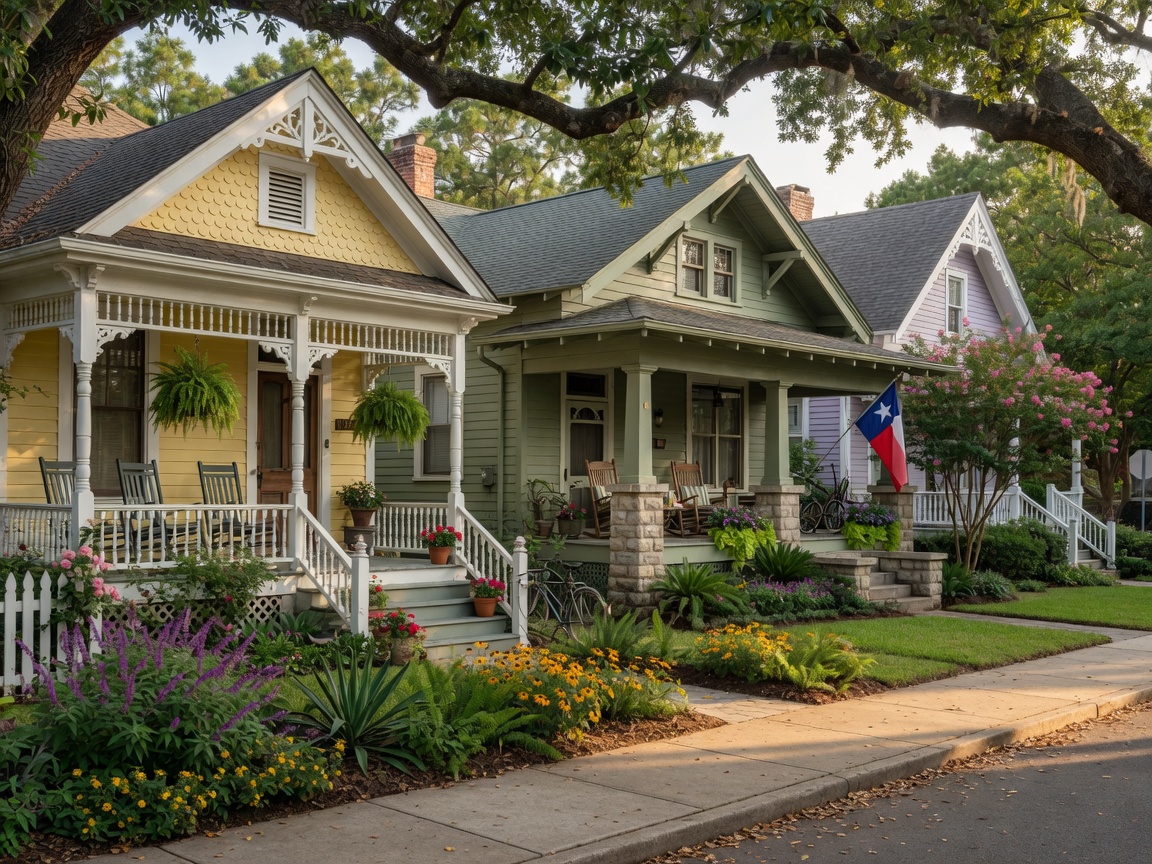
For the neighborhood, the streetcar era was the making of its character. The Heights grew as a genuine commuter suburb, and its layout reflected that: front porches facing quiet streets, a wide ceremonial boulevard at the center, and commercial corridors along the car lines where shops clustered to catch riders on their way home.
The Decline: Jitneys, Buses, and the Last Run
Houston's love affair with the streetcar faded in the twentieth century for familiar reasons. Mass-produced automobiles made car ownership affordable, and unregulated jitneys, cheap shared vehicles that began appearing in 1914, undercut the streetcars' fares. Bus routes started taking over streetcar lines in the 1930s, and the writing was on the wall. On June 9, 1940, the last Houston streetcar made its final run, ending more than half a century of rail transit in the city.
What Remains of the Streetcar Era
The trolleys are gone, but the Heights still carries their imprint. The most obvious relic is Heights Boulevard's esplanade, the wide green median built to carry the tracks, which remains the neighborhood's front yard and most beloved walking path. The street grid itself, the deep front yards, and the mix of bungalows and corner stores all grew out of the streetcar-era plan. And beneath the pavement, remnants still surface: Houston construction crews periodically uncover old streetcar rails while digging, a reminder of the network that once hummed under the city (the Chronicle has documented several finds, including rails uncovered during recent construction downtown).
Houston's modern METRORail system, which opened its first line in 2004, does not reach the Heights, a fact regular commuters know well. But the walkable, bikeable neighborhood that streetcars built needs less rail than it once did. From the esplanade path to the bayou trails and the short rides downtown, the Heights still rewards the same commute the trolley once made easy.
Streetcar Era Timeline
- 1890-1891: Oscar Martin Carter consolidates Houston's streetcar systems and electrifies them; the Houston Heights is platted in 1891.
- 1891: Electric streetcar service begins in Houston in June.
- 1892: The Heights line opens, running from downtown up Washington Avenue and Heights Boulevard to about 19th Street.
- 1901: The Houston Electric Company acquires the consolidated system and absorbs the Heights operation.
- 1914: Jitneys begin undercutting streetcar ridership.
- 1930s: Buses begin replacing streetcar lines.
- June 9, 1940: Houston's last streetcar makes its final run.
Next time you walk the Heights Boulevard esplanade at golden hour, picture it in 1900: a bright electric car gliding down the median, riders heading home from downtown jobs, and a young suburb growing up around the rails. Houston's streetcar era is long gone, but the neighborhood it built is very much alive. For more of the story, dig into our full history of Houston Heights and the architecture walking tour of the homes the era left behind.

Shawn Manderscheid
Fourth-generation Houston Heights native. Over 25 years of local knowledge and community connections.