A Homeowner's Guide to Renovating Historic Homes in Houston Heights
One of the great joys of living in Houston Heights is owning a piece of its history. The neighborhood is known for its beautifully preserved Craftsman bungalows, Victorian homes, and early 20th-century cottages. But with that historic charm comes a set of renovation rules and considerations that every homeowner should understand. Whether you are restoring original details or planning an addition, here is what you need to know before you pick up a hammer.
Architectural Styles You Will Find in the Heights
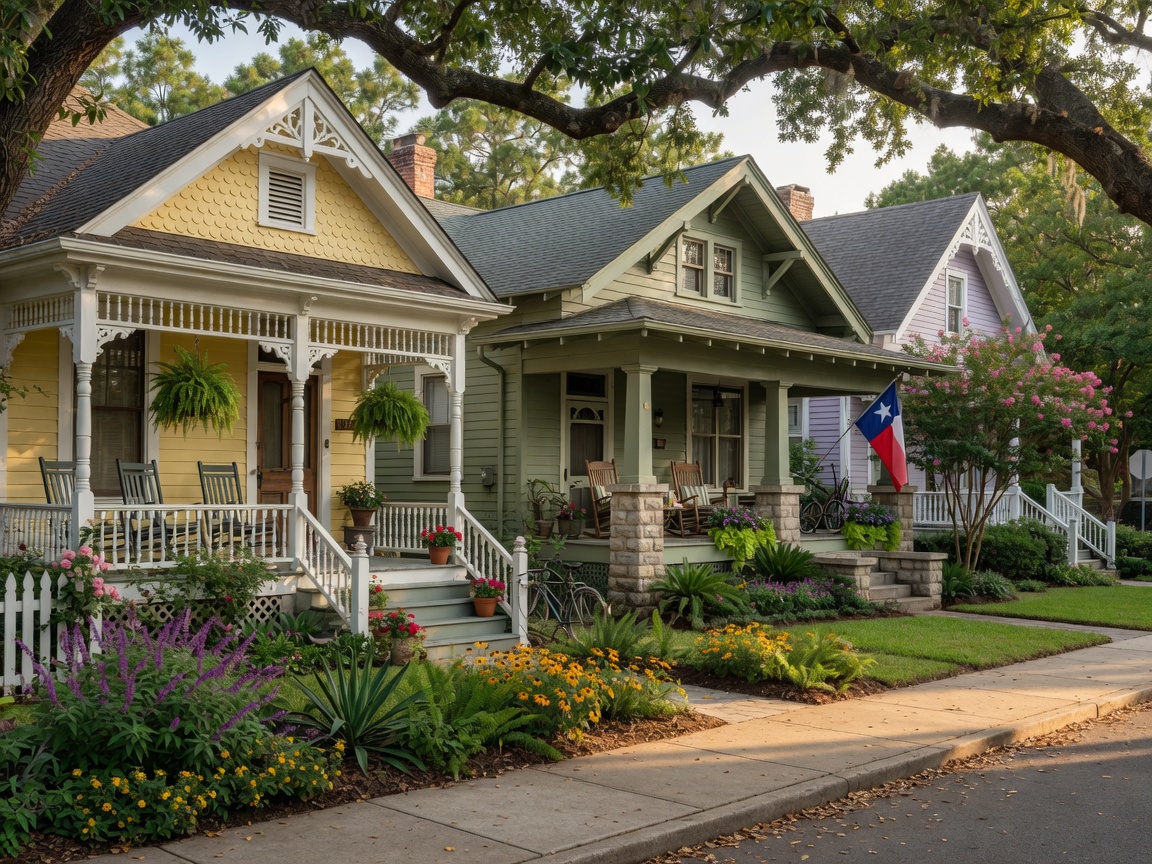
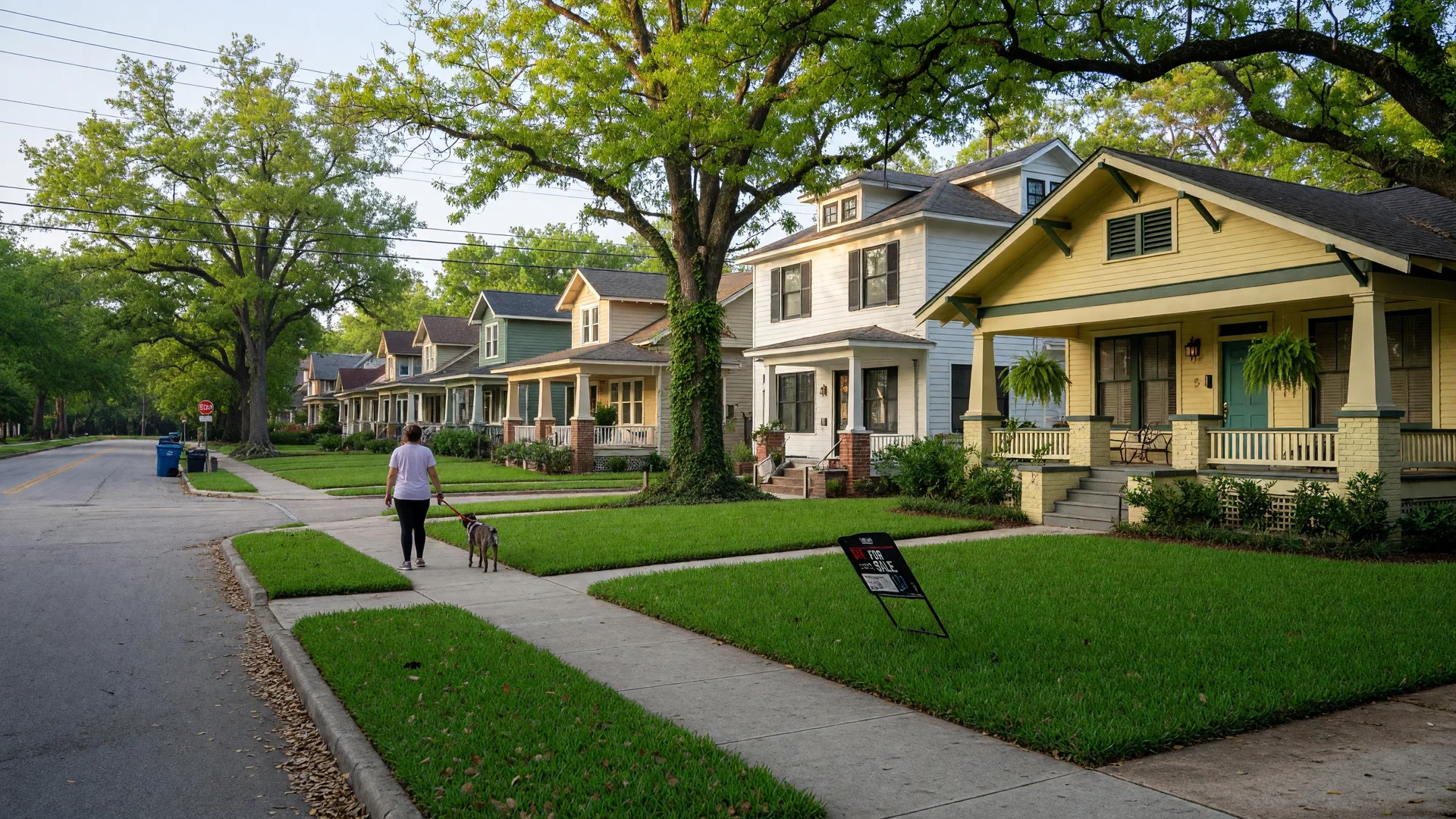
The Heights is one of Houston's most architecturally diverse neighborhoods. While strolling its tree-lined streets, you will encounter Victorian and Queen Anne homes with intricate woodwork, wraparound porches, and steep gabled roofs. Craftsman bungalows — the neighborhood's signature style — feature exposed rafters, tapered porch supports, and brick foundation piers. You will also find Colonial Revival homes, American Four Square layouts, English cottages, and even a few historic Sears kit homes scattered throughout the district.
Understanding your home's architectural style is the first step in any renovation. It informs what materials, colors, and design details are appropriate — and what the city's historic preservation office will expect to see in your application.
The Seven Historic Districts
The Heights contains seven mapped historic districts: Woodland Heights, Heights East, Heights West, Heights South, Norhill, Freeland, and Germantown. Each district has its own character, but all seven share a key requirement: you need a Certificate of Appropriateness (COA) from the Houston Archaeological and Historical Commission (HAHC) for any exterior work beyond ordinary maintenance.
Three of these districts — Heights East, Heights West, and Heights South — have formal, written design guidelines that are more detailed than the others. Even if your district does not have published guidelines, the COA process still applies. It is worth checking which district your home sits in before you start planning any exterior changes. The City of Houston's historic preservation map is a good place to start.
What Requires a Certificate of Appropriateness (COA)
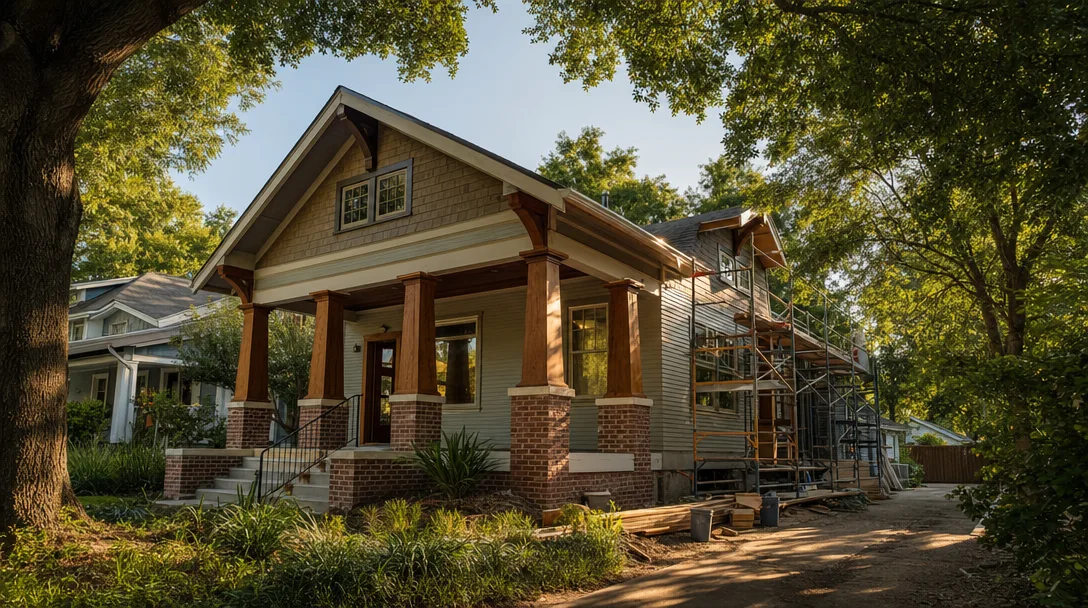
A COA is required for exterior changes that are visible from the street. This includes painting wood siding, replacing roofing or siding materials, altering windows or doors, adding a structure like a fence or a shed, and modifying porches. Even changes that seem minor — like swapping out a front door or changing shutter styles — can require approval.
The good news: interior renovations generally do not require a COA. You can remodel your kitchen, update bathrooms, and reconfigure interior spaces without needing historic commission approval. The regulations are focused on preserving the neighborhood's exterior character, not on how you live inside your home.
The COA Application Process
Applications are filed online through the Historic Preservation Tracker (HPT) system. They must be received by noon, 22 days before the monthly HAHC meeting. Required materials include a written description of the existing conditions and proposed work, material descriptions and samples, historic photographs if you are restoring a missing element, and dimensioned plan and elevation drawings.
The City of Houston's Houston Office of Preservation (HOP) staff can help you navigate the application process. They encourage homeowners to reach out early, before finalizing plans. A preliminary conversation can save time, money, and frustration down the road.
What Happens If You Renovate Without Approval
Work done without a COA can result in a Stop Work Order, fines, and a requirement to restore the property to its previous condition. This is not a risk worth taking. The COA process exists to protect the character of the neighborhood — the same character that drew you to the Heights in the first place. And in practice, most applications are approved. The key is showing that your proposed work respects the historic fabric of your home and its district.
Design Guidelines at a Glance
While each district has its own specifics, a few general principles apply across the Heights. Homes must maintain compatibility with the neighborhood in terms of setbacks, massing, and scale. Original materials and design elements visible from public streets should be preserved or matched. Porch features are especially important — turned supports for Queen Anne homes, squared or tapered supports for Craftsman bungalows — and should be maintained as a defining characteristic of your home's style.
It is also worth checking whether your property has deed restrictions, which can add another layer of requirements. The Houston Heights Association can help you understand what applies to your specific lot.
Contributing vs. Noncontributing Status
Every structure in a historic district is classified as either contributing or noncontributing. Contributing buildings are those that add to the historic character of the district. Noncontributing structures may have been built later or altered significantly. Your home's status affects what kind of changes are appropriate and how your application is reviewed. Check the City's historic district map to confirm your property's status before you begin planning.
Renovation Checklist
- 1 Identify your historic district and home's architectural style
- 2 Determine if your property is contributing or noncontributing
- 3 Contact the Houston Office of Preservation (HOP) early
- 4 File your COA application via the HPT system at least 22 days before the monthly HAHC meeting
- 5 Prepare photos, material samples, and elevation drawings
- 6 Check for deed restrictions through the Houston Heights Association
Renovating a historic home in the Heights is a rewarding process. It is also one that rewards patience, research, and a respectful approach. The regulations are not there to make renovation harder — they are there to make sure the next generation of Heights residents gets to enjoy the same beautiful streetscapes that drew you here. Plan carefully, work with professionals who understand historic preservation, and take the time to do it right. Your home — and the neighborhood — will thank you.

Shawn Manderscheid
Fourth-generation Houston Heights native. Over 25 years of local knowledge and community connections.