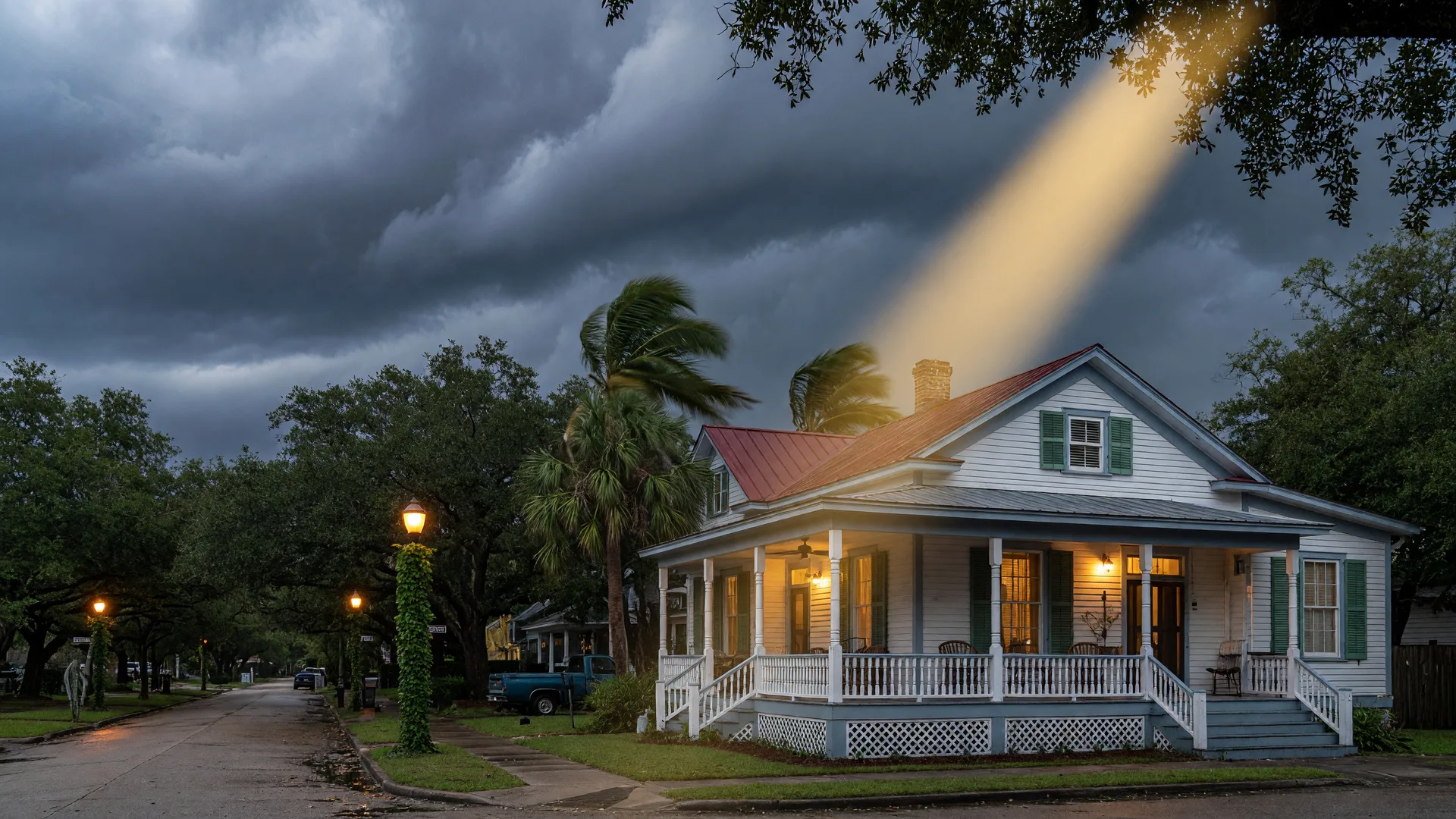
Hurricane Season in the Heights: A Storm Preparedness Guide
September is the statistical heart of Atlantic hurricane season, and for Houstonians the question is never if a storm will threaten, but when. Houston Heights sits in inland Harris County, which means storm surge is rarely the neighborhood's biggest worry, but heavy rain, flooding along White Oak Bayou, and extended power outages absolutely are. Here is a practical, neighborhood-specific preparedness guide so you and your household know your zone, your kit, and your plan before the next storm forms in the Gulf.
Know Your Zone: What Hurricane Evacuation Zone Is the Heights In?
Harris County's hurricane evacuation zones (A through F, with A the most surge-prone) are based on storm surge risk, not flood risk, and they are the basis for evacuation orders. Houston Heights, in the 77007 through 77009 ZIP codes, falls in Zip-Zone C, the largest and furthest-inland zone in the county. That zone is evacuated last and least often, and only when forecasters project real storm surge risk. For most Heights residents, the realistic storm scenario is not a surge evacuation but street and bayou flooding from heavy rain, which is managed differently.
It is also worth understanding that surge zones are separate from FEMA flood zones. Much of the Heights sits in FEMA Zone X (an area of minimal flood risk), but the neighborhood's flood map is not uniform: areas along White Oak Bayou carry Zone AE designation, meaning flood insurance is required there for federally backed mortgages and flooding is a real possibility in major rain events. If you are not sure which applies to your street, check the FEMA flood map for your address and talk to your insurer about flood coverage before a storm is in the Gulf.
Start with ReadyHarris: Your Storm Information Hub
The single most useful preparedness step is to download the free ReadyHarris app from the Harris County Office of Homeland Security & Emergency Management, available at ReadyHarris.org. It delivers real-time weather alerts, evacuation route maps, and a built-in family disaster planning tool, all in one place. Pair it with a subscription to ReadyHarris Alerts, the county's emergency notification system, so warnings reach your phone even if you are away from home.
Bookmark the county emergency management site too. When a flood is forecast, officials announce temporary sandbag distribution locations through ReadyHarris and county channels, so monitoring those sources is how you find out where to pick up sandbags in real time. There is no standing city-wide sandbag depot, the locations open and close with each event, and they are announced quickly.
Know the Roads Out: Houston's Evacuation Corridors
In the rare case an evacuation order does extend to the Heights, the county evacuates by ZIP zone, and officials ask residents to know their route before they need it. Harris County's major evacuation corridors fan out in every direction: I-45 North, I-10 West, US-290, US-59/I-69, and TX-249. Under a full evacuation, TxDOT runs contraflow lanes to speed traffic away from the coast, so the familiar northbound highway you drive daily may suddenly have all lanes moving your way.
If you do not drive, or if you have a neighbor who needs help, call 2-1-1 for evacuation routes, shelter locations, and special-needs transportation assistance. Program that number into your phone now, not during the storm. And remember the simplest rule of Houston flooding: turn around, don't drown. Six inches of moving water can knock a person down, and a foot can float many vehicles. Never drive through water covering a roadway, even a familiar Heights street you have crossed a thousand times.
Build Your Storm Kit (3 to 7 Days)
Harris County's guidance is to prepare for three to seven days without power or services. Your kit should include:
- One gallon of water per person per day, plus extra for pets
- Non-perishable food and a manual can opener
- A week of prescription medications and a copy of prescriptions
- Flashlights, batteries, and a phone charger that works without wall power
- A first aid kit and a small supply of cash
- Important documents (insurance, ID, deed) in a waterproof bag
- Pet food, leashes, and carriers, plus supplies for kids and older family members
Keep it in one place, ideally in a go-bag near the front door, and restock it each September when hurricane season enters its peak.
Home Prep: What to Do Before the Winds Arrive
Heights homes, with their porches, mature live oaks, and older construction, have their own prep checklist. Trim tree limbs that overhang your roof before storm season, and keep them clear through the fall. Bring in or tie down patio furniture, grills, potted plants, and yard tools, anything a gust can turn into a projectile. Clear gutters and downspouts so roof runoff drains fast in a downpour, and check your roof for missing shingles or damage left by summer hail storms.
Know where your water, gas, and electric shut-offs are, and make sure everyone in the house knows how to use them. A garage door that is not braced or reinforced is one of the first things to fail in high winds, so check the hardware and consider a wind-load retrofit if yours is original. And well before any storm, verify your flood and wind insurance coverage, because carriers often restrict new policies once a named storm enters the Gulf.
A Neighborhood That Looks Out for Neighbors
One of the best things about the Heights is that a storm is never weathered alone. Introduce yourself to new neighbors, know who on your block is older or has medical needs, and swap phone numbers before an emergency. The Houston Heights Association and the neighborhood civic clubs circulate storm updates and organize cleanup help after events. If you are new to the neighborhood, the guide's newcomer resources are a good place to learn how the community rallies. Preparedness is personal, but in the Heights it has always been communal too.
September storms get our attention for a reason, but preparedness is a calm-weather habit. Know your zone, download ReadyHarris, build your kit, and prep your home on a clear weekend when you have the time and the hardware store still has sandbags and flashlights. Do it once, check it each fall, and the next Gulf system becomes a manageable plan instead of a scramble.

Shawn Manderscheid
Fourth-generation Houston Heights native. Over 25 years of local knowledge and community connections.