Moving to the Heights: A Newcomer's Survival Guide
Welcome to the Heights. Whether you've just closed on a historic bungalow, signed a lease on a townhome near White Oak Bayou, or are still in the "driving around on Sunday afternoons hoping something comes on the market" phase, you've landed in one of Houston's most distinctive and connected neighborhoods. The Heights has a fiercely loyal community for good reason — and getting plugged in starts with knowing a few practical things.
Setting Up Utilities
Texas operates a deregulated electricity market, which means you get to choose your retail electricity provider. The process is straightforward: visit the state-run Power to Choose website (powertochoose.org), compare plans from providers like Reliant, Champion Energy, Green Mountain Energy, and others, and pick the rate and contract term that fits your needs. Plans can run from three months to three years, with fixed and variable rate options. If you're new to Texas, expect higher summer bills — air conditioning runs hard from May through October.
Water and sewer are handled together by the City of Houston Public Works. There's no separate signup — your water bill comes from the city. Trash and recycling depend on your property type. Many single-family homes in the Heights are serviced by the City of Houston, which provides weekly curbside pickup and recycling. Some townhome communities and HOAs use private haulers. If you're unsure, call Houston 311 (or use the 311 mobile app) and they'll tell you exactly what service applies to your address.
Natural gas in the Heights is delivered by CenterPoint Energy. If your home already has gas service (many historic bungalows do for heating, cooking, and tankless water heaters), transferring the account to your name is straightforward. If you're moving into a home that hasn't had gas before, CenterPoint can advise on connection options and costs.
A note on timing: start your utility setup at least two weeks before your move-in date. Electricity providers can take a few days to process, and scheduling a gas connection or transfer during peak summer months can have longer wait times.
Parking: What to Know
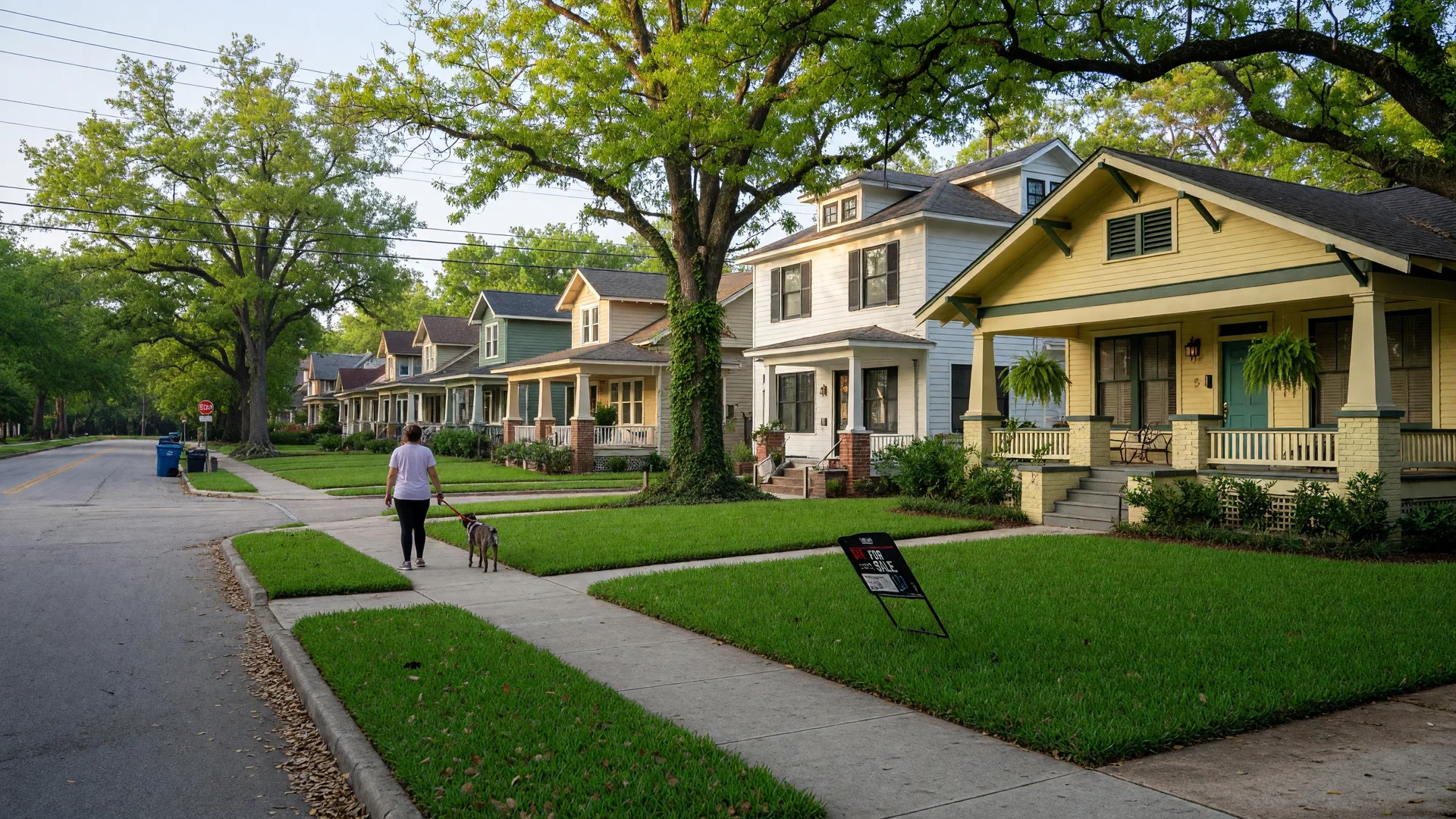
Houston may be a car-centric city, but the Heights was built before cars were the priority. Streets are narrow, driveways are short, and on-street parking can be competitive — especially on weekend evenings near 19th Street, White Oak, and the M-K-T development.
The city enforces standard parking rules under the Texas Transportation Code and Chapter 26 of the City of Houston Ordinances. The basics: don't block fire hydrants, crosswalks, bike lanes, sidewalks, driveways, or handicap spaces. Violations are ticketed and fines add up quickly. Some streets in the Heights have posted time limits or resident-only restrictions, so always read the signs before leaving your car.
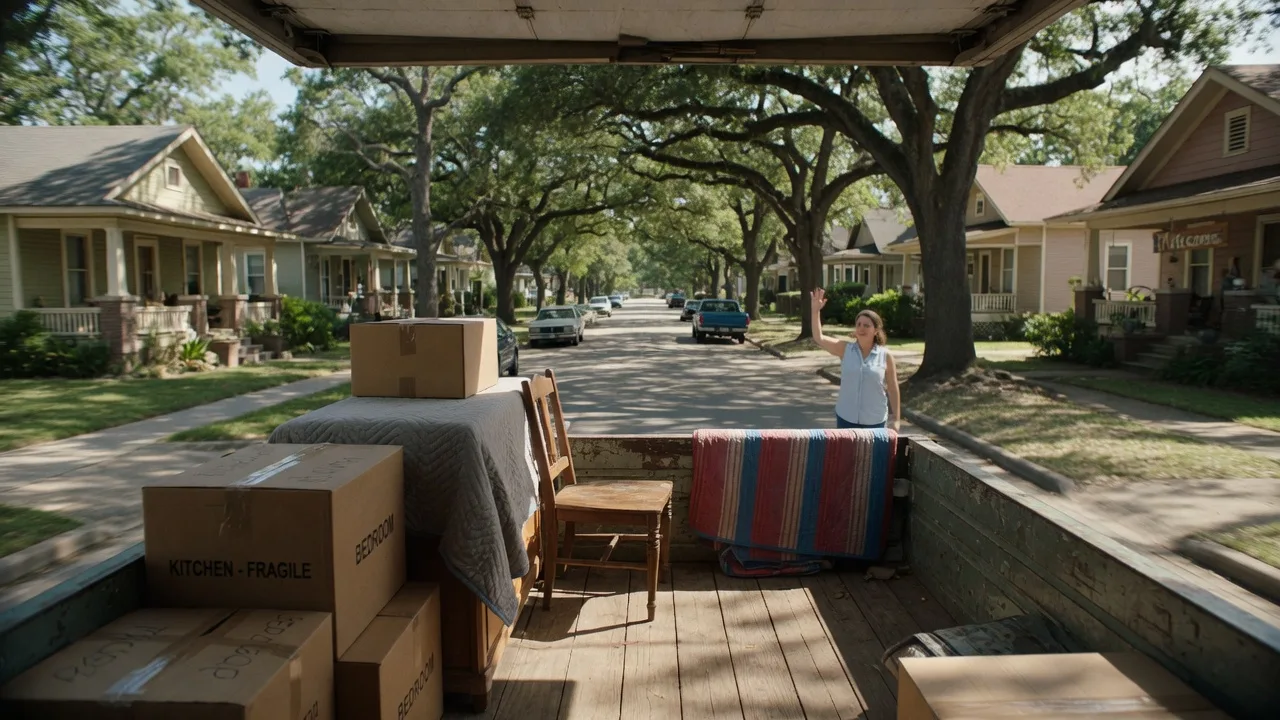
If you're moving in and need a moving truck or pod on the street, ParkHouston issues special permits for temporary street occupancy. Apply online through the city's website a few days in advance. It's a small administrative step that can save you a headache on moving day.
Neighborhood Associations & Civic Clubs
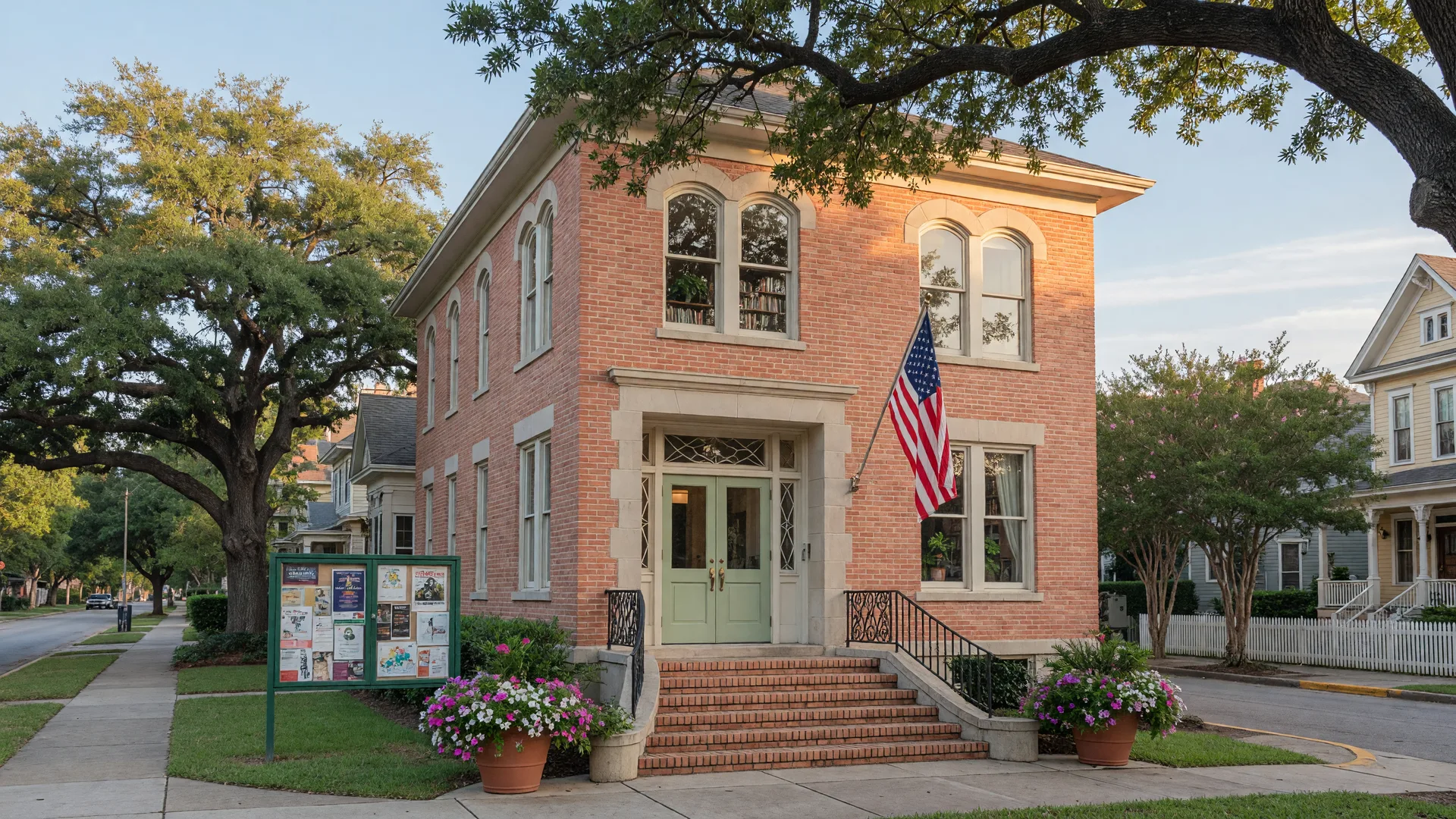
One of the things that makes the Heights special is how organized its residents are. The Houston Heights Association, founded in 1973, is the primary civic organization for the area. They maintain the historic street lamps, organize community events (including the annual Home & Garden Tour and Lights in the Heights), and advocate for neighborhood interests at City Hall. Their office is at 107 W. 12th Street, and membership is open to any resident or property owner in the Heights.
Depending on which block you live on, you may also fall within the boundaries of a civic club. The Sunset Heights Civic Club, for example, covers the Sunset Heights subdivision east of Heights Boulevard. The City of Houston maintains a Civic Clubs Directory at houstontx.gov/mao/civic-clubs-directory.html where you can look up your specific address to find your local club. These organizations handle deed restrictions, block-level events, and neighborhood beautification projects.
Flood Awareness
This is the topic no one wants to talk about on moving day, but every Heights resident needs to understand it. Parts of the Heights drain into White Oak Bayou, which can flood during major storm events. Before signing a lease or closing on a home, check the Harris County Flood Control District's flood zone maps against the property address. Know the difference between a 100-year floodplain and a 500-year floodplain, and understand what your flood insurance options are.
Flood insurance in Houston is handled through the National Flood Insurance Program (NFIP) and private insurers. Even if your property isn't in a designated flood zone, heavy rainfall can cause street flooding and localized drainage issues. Many Heights homeowners choose to carry flood insurance regardless of their official flood zone status. It's worth the conversation with your insurance agent before you need it.
Getting Around: Commute & Transportation
The Heights sits roughly four miles northwest of downtown Houston, which translates to about a 10-minute drive in light traffic and 20-25 minutes during peak hours. Major access routes include I-10 (the Katy Freeway) to the south, I-45 to the east, and the 610 Loop to the north and west.
For non-driving commuters, METRO bus service runs several routes through the Heights, connecting to downtown and the broader METRO system. The White Oak Bayou Greenway and Heights Hike and Bike Trail provide scenic bike routes into downtown — the trail runs from almost downtown all the way past TC Jester Park, and bike commuting is increasingly popular among Heights residents who work downtown or in the Medical Center.
Ride-share services are widely available, and the neighborhood is compact enough that many errands are walkable if you live near the 19th Street or Yale corridors. Garden Oaks and Oak Forest residents benefit from slightly wider streets and more driveway parking, but the same commuting patterns apply.
Getting Plugged into the Community
The Heights community is famously welcoming to newcomers, but you have to show up. Here are the easiest ways to start building connections:
- Go to the farmers market. The Heights Farmers Market at Heights Mercantile (Thursday evenings and Saturday mornings) is a weekly community gathering as much as it is a place to buy produce. Go regularly and you'll start recognizing faces.
- Walk the trail. The Heights Hike and Bike Trail is the neighborhood's living room. Morning walkers, afternoon strollers, evening joggers — it's where you see the same people enough times that "hi" turns into a conversation.
- Join the Houston Heights Association. Even if you can't make every meeting, membership supports the organization that keeps the neighborhood running. Events like the Home & Garden Tour and White Linen Night are excellent places to meet neighbors.
- Introduce yourself to your neighbors. It sounds obvious, but the Heights is a front-porch neighborhood. People sit outside, and most are happy to meet someone new. A wave turns into a conversation faster here than in most parts of Houston.
- Follow local social media accounts. The Houston Heights Association and various neighborhood Facebook groups post about events, lost pets, street closures, and community news. They're useful for staying informed and occasionally finding someone to water your plants while you're on vacation.
A Final Thought for Newcomers
Moving to a new neighborhood is always a leap, but the Heights makes the landing softer than most. There's a reason people who move here tend to stay — and a reason those who leave often come back. It's the walkability, the character of the historic homes, the canopy of old oak trees, and the genuine sense that neighbors look out for each other.
You don't have to be here long to feel like you belong. Show up to a few events, learn the rhythm of the neighborhood, and give yourself a full seasonal cycle to settle in. By the time Lights in the Heights rolls around in December, you'll be the one on your porch waving at newcomers.
Newcomer Quick Reference
- Electricity: Compare plans at powertochoose.org
- Water / Trash: City of Houston via 311
- Natural Gas: CenterPoint Energy
- Parking Permits: ParkHouston for moving trucks
- Neighborhood: Houston Heights Association — houstonheights.org
- Flood Maps: Harris County Flood Control District
- Commute: 10 min to downtown by car, 20 min by bike
- Farmers Market: Heights Mercantile — Thu PM & Sat AM

Shawn Manderscheid
Fourth-generation Houston Heights native. Over 25 years of local knowledge and community connections.