The History of Timbergrove & Lazybrook: Postwar Suburbs by the Bayou
Timbergrove and Lazybrook are the quiet, leafy neighbors right across White Oak Bayou from the Heights: two of Houston's classic postwar subdivisions, built for returning servicemen and young families in the 1950s on land that had been farm and timber for a hundred years. Their story, from German-American dairy farms to a 1930s oil discovery to today's mid-century revival, explains why these neighborhoods look and feel the way they do. Here is how they came to be.
Pine Woods and Dairy Farms
Long before the houses, the land along White Oak Bayou northwest of downtown was heavily wooded country, settled in the 1800s by German-American farmers who raised crops and ran dairies under a canopy of pine trees. That forest gave Timbergrove its name, and a few family names from the era survive on street signs today.
Conrad Sauer, a German farmer and dairyman who lived from 1843 to 1917, operated a dairy in the area, and Conrad Sauer Street still carries his name. Louis Clay, the namesake of Clay Road and a dairyman who died in 1936, is buried in what is now an abandoned cemetery tucked inside the neighborhood, a quiet reminder of the farmland that once covered everything from the bayou to the rail yards.
The Eureka Oil Discovery
In the 1930s, the area briefly made oil history. A significant discovery named "Eureka" brought drilling activity to the bayou bottomlands, and the nearby railroad classification yard has been called Eureka Yard ever since. The original St. John's German Lutheran Church building from that era still stands in the neighborhood, one of the few physical links to the community's pioneer days. The boom was short-lived, but it left the neighborhood with a colorful piece of Houston petroleum lore that most locals, even many residents, have never heard.
Timbergrove Manor Comes First
Houston exploded after World War II, but this stretch of the Inner Loop stayed surprisingly wooded and undeveloped while neighborhoods all around it filled in. That changed when Timbergrove Manor was envisioned in the late 1940s and development began in 1950, led by C.R. Brace, E.R. Carruth, and Alex Susholtz. The new subdivision was aimed squarely at returning servicemen and their young families, part of Houston's great postwar housing boom.
The plan was an immediate success. Timbergrove offered what GI-bill buyers wanted: modest, well-built one-story homes on tree-lined streets, with deed restrictions that kept the community tidy and a location close enough to downtown for an easy commute. Its identity, anchored by the Timbergrove Manor Neighborhood Association, has endured for more than 75 years.
Lazybrook Follows in 1955
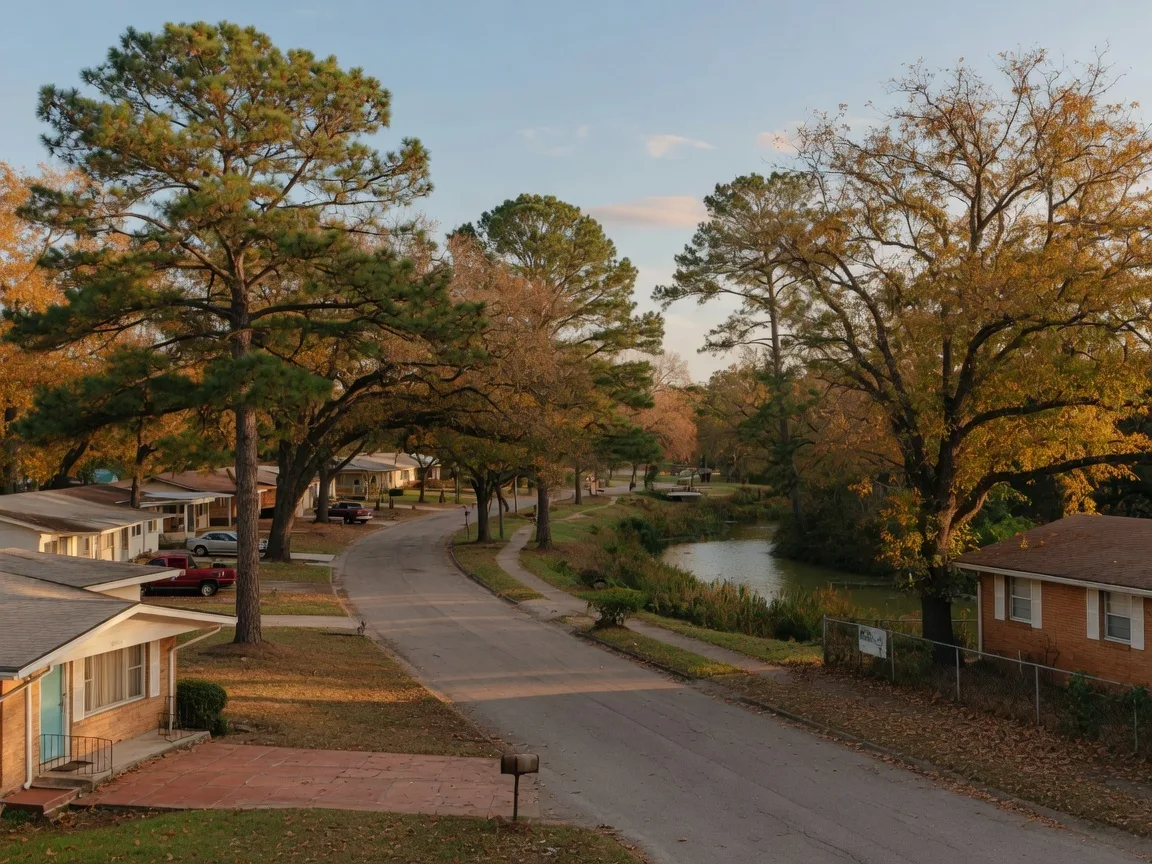
Just a few years later, in 1955, development officially began on Lazybrook, built on former farmland immediately to the east. The name comes from the neighborhood's defining feature: the "lazy" way White Oak Bayou meanders along its eastern edge. Lazybrook was cut from the same cloth as Timbergrove, one-story brick ranches and mid-century homes on quiet, curving streets, and the two neighborhoods grew up together as the anchor of what the city today calls Super Neighborhood 14.
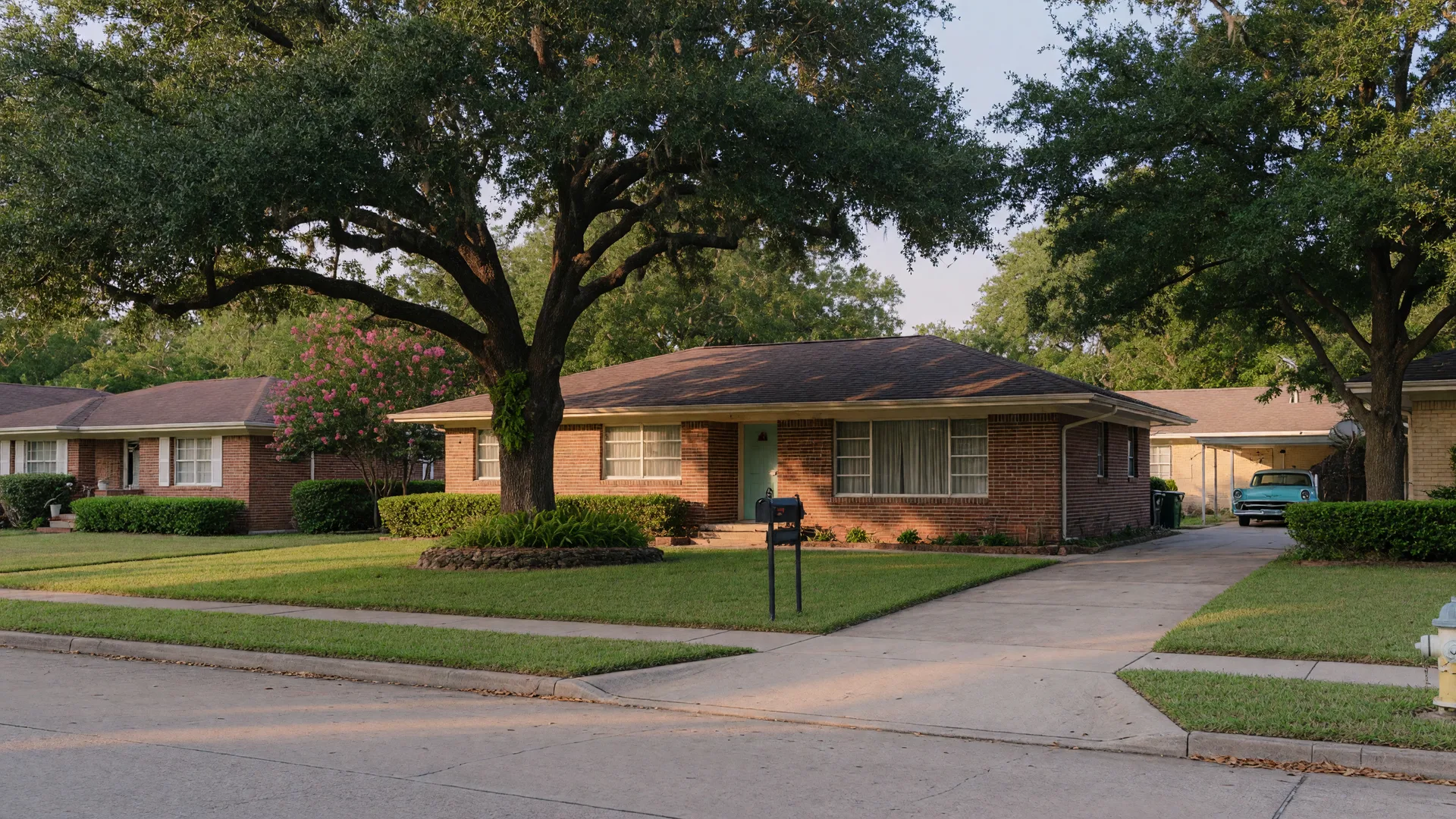
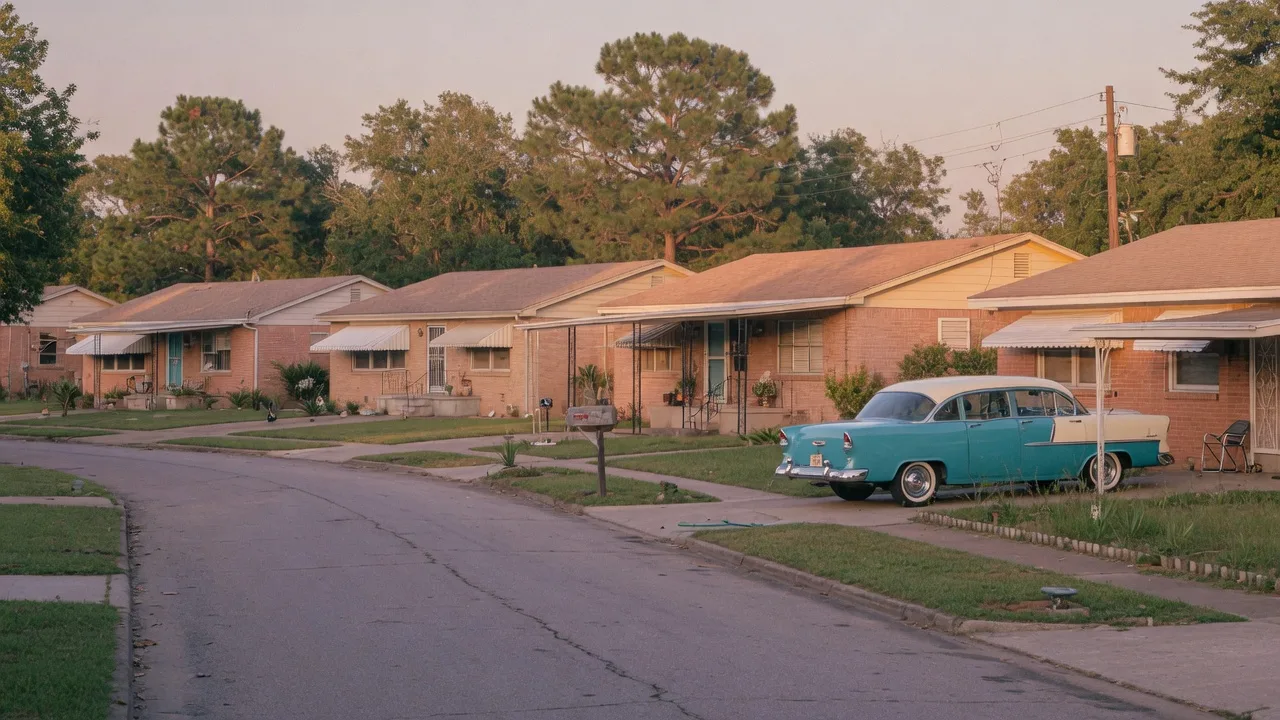
Together they formed a model of postwar living: affordable, green, and safe, with churches, schools, and shops arriving as the families moved in. The brick ranch with a carport, the big live oak in the front yard, the flagpole and the Saturday lawn mowing: it all started here in the 1950s.
From Floodplain to Greenway
Living by the bayou has always carried a cost. For generations, White Oak Bayou flooded during big storms, and both neighborhoods learned hard lessons about building near water. Over the past two decades, the bayou's transformation has been one of the great civic success stories of the Inner Loop: regional detention improvements, a restored channel, and the White Oak Bayou Greenway trail now line the waterway with one of Houston's premier hike-and-bike corridors.
Today the bayou that gave Lazybrook its name also gives both neighborhoods their favorite amenity: miles of shaded trail for running, biking, walking the dog, and paddling, all connected to the Heights, Buffalo Bayou Park, and downtown. The flood risk that shaped the community's history is now paired with some of the best outdoor living in the city.
What the History Means Today
Walk Timbergrove or Lazybrook today and you can still read the 1950s in the architecture: one-story ranches and mid-century brick homes, some lovingly original, others expanded with thoughtful additions that respect the original rooflines. The neighborhoods' mid-century character has made them increasingly popular with buyers who want a classic floor plan, a big lot, and a true courtyard of a front yard, all minutes from the Heights. The deed-restricted streets and active neighborhood associations keep the community feeling settled and proud, the same qualities that sold those first postwar buyers.
Whether you live here, are thinking of moving here, or just bike through on the bayou trail, the story is worth knowing: this was farmland and pines, then oil country, then the promise of the American postwar suburb, and now one of the Inner Loop's most quietly beloved corners. For a look at today's neighborhood, see our Timbergrove & Lazybrook guide, and for the home styles you will see on every street, our architecture guide.
Timbergrove & Lazybrook Through the Years
- 1800s: German-American farmers and dairies under the pines; Sauer and Clay families give their names to streets
- 1930s: "Eureka" oil discovery; Eureka Yard names the nearby rail yard
- 1950: Timbergrove Manor development begins, aimed at returning servicemen
- 1955: Lazybrook development begins on farmland by the meandering bayou
- Today: Mid-century ranches, White Oak Bayou Greenway, and an active civic scene
The next time you pass the Eureka Yard rail bridge or pedal along the greenway, you will be traveling through a century of Houston history in the space of a few quiet blocks. That is the magic of these neighborhoods, and why locals who discover them tend to stay.

Shawn Manderscheid
Fourth-generation Houston Heights native. Over 25 years of local knowledge and community connections.