The History of Montrose: From Streetcar Suburb to Houston's Cultural Heart
Just a few minutes south of the Heights, Montrose tells one of the most colorful stories in all of Houston. What began in 1911 as an affluent streetcar suburb for the city's oil elite became, by the 1970s, the beating heart of Houston's bohemian, arts, and LGBTQ communities. Today it is a gentrified mix of grand mansions, restored Craftsman bungalows, world-class museums, and a nightlife scene that still answers to the wild and creative spirit that built it. Here is the story of Montrose, Houston's cultural crossroads.
A Streetcar Suburb for the Oil Elite<
Montrose was platted in 1911 by developer J.W. Link and his Houston Land Corporation as one of Houston's first large-scale planned subdivisions. Designed as an affluent streetcar suburb served by the city's growing rail network, it featured wide boulevards and grand lots intended for the mansions of Houston's rising wealth. The neighborhood takes its name from Montrose, Angus, Scotland, honoring the Scottish heritage so many of Houston's early civic leaders claimed.
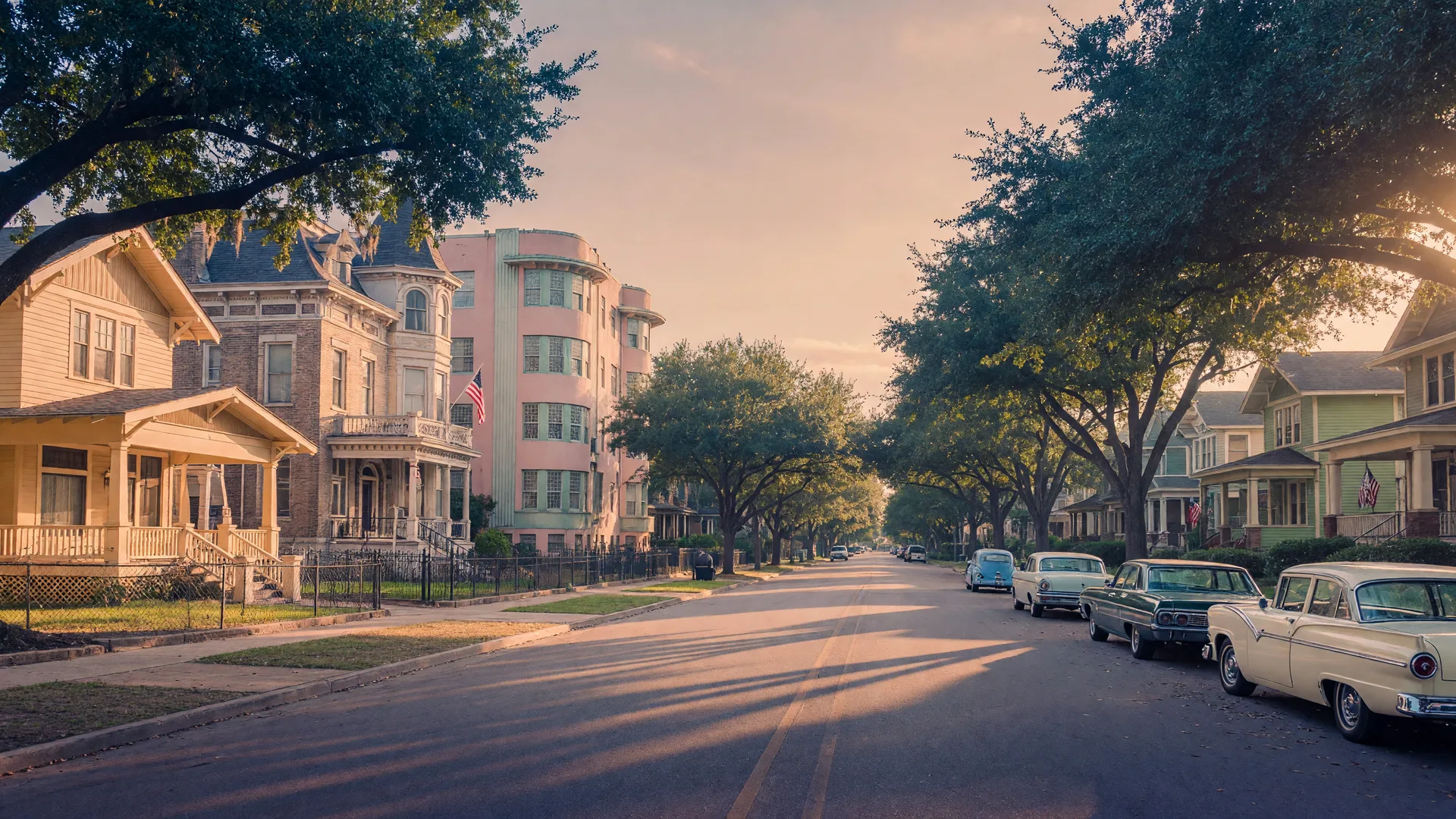
Houston's oil families and business titans built stately homes along Montrose Boulevard, eager for addresses that signaled success. The Link-Lee Mansion, one of the era's grandest residences, still stands today as part of the University of St. Thomas campus, a marble-and-limestone reminder of the neighborhood's gilded beginnings. For a few decades, Montrose was the address to have in Houston.
The Bohemian Turn
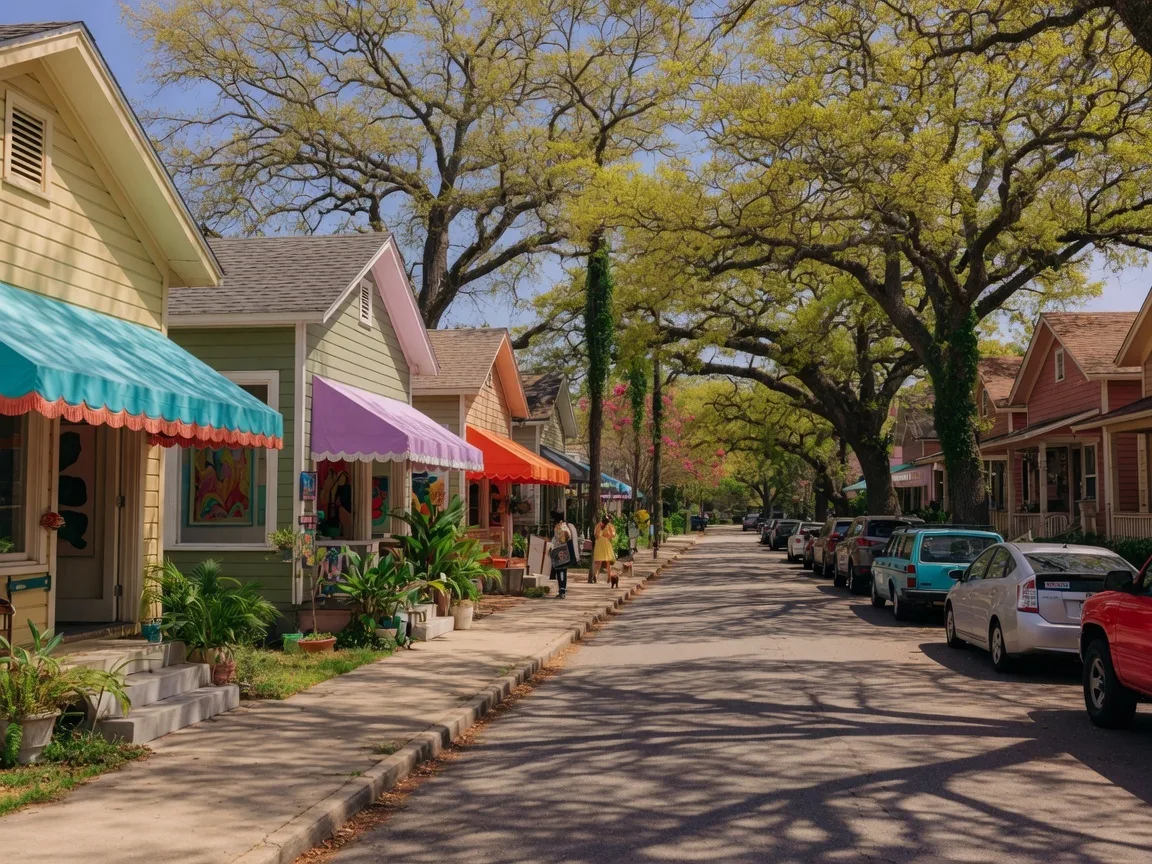
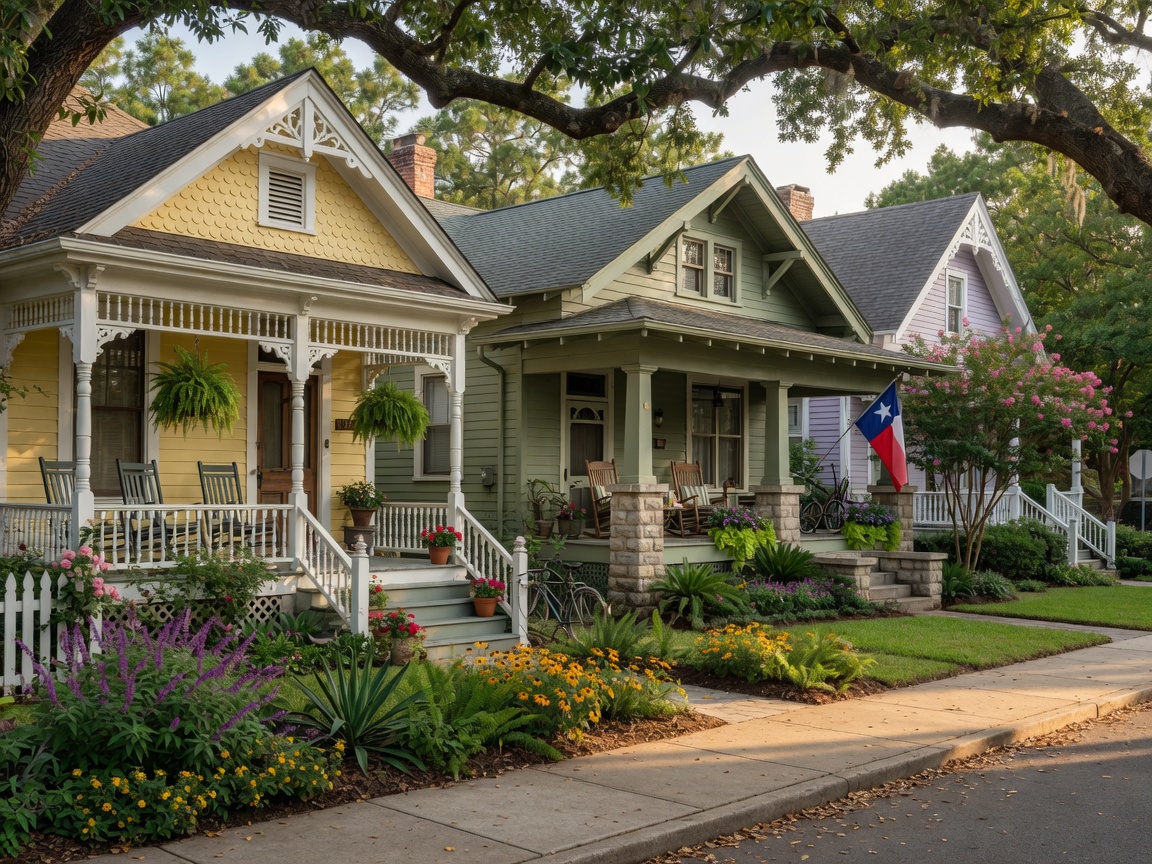
Then the money migrated west. As River Oaks, Memorial, and Tanglewood captured Houston's wealth in the 1920s and 1930s, Montrose's grand homes emptied and its fortunes waned. But what read as decline to some read as opportunity to others. The neighborhood filled with professors, artists, immigrants, and freethinkers drawn by cheap rents, handsome old houses, and a location just minutes from downtown. A building boom of Craftsman homes and Art Deco apartments through the 1920s and 1930s gave the area much of the housing stock that still defines its streets today.
By the late 1960s, Montrose was Houston's counterculture capital. Folk clubs like Anderson Fair hosted some of the city's most consequential songwriters, artists took over studios in converted garages, and the Westheimer Colony Art Festival, launched in 1971, brought the neighborhood's creative energy out onto the sidewalks every spring. The festival evolved into the legendary Westheimer Street Festival, a freewheeling celebration that became synonymous with Houston's late-century weird and wonderful side.
The Heart of Houston's LGBTQ Community
Starting in the early 1970s, Montrose also became the center of Houston's gay and lesbian community, one of the most significant in the South. By the late 1970s the neighborhood was home to dozens of gay bars, including Bayou Landing, said at the time to be the largest gay dance hall in the United States. Houston's first gay community center opened in Montrose in 1972, the direct predecessor of today's Montrose Center, which still serves the community from the neighborhood today.
The neighborhood's residents organized loudly and proudly. When Anita Bryant campaigned against gay rights in the late 1970s, Montrose activists like Ray Hill staged some of Houston's most memorable protests, and an annual gay pride parade grew into a beloved local tradition. By the 1980s, Montrose was known across the country as the hub of Houston's LGBTQ community, and the neighborhood's open, defiant character became part of its permanent identity.
Montrose Today: Art, History & a Spirit That Won't Quit
Decades of growth have reshaped the neighborhood, but Montrose has never lost its soul. The Menil Collection, Rothko Chapel, and the neighborhood's independent galleries make it one of Houston's great cultural districts. The city has designated historic districts including Audubon Place and First Montrose Commons to protect the architectural legacy of the mansion era and the bungalow boom. Real estate has boomed, boutiques and restaurants have filled its corners, and young families have moved in alongside longtime residents.
Why Montrose's Story Matters
Montrose's history is a reminder that neighborhoods are living things. A suburb built for oil barons became a haven for artists, the LGBTQ community, and anyone else who did not quite fit the conventional mold, and in doing so it helped make Houston the open, creative city it is today. For Heights residents, Montrose is the nearest constant reminder that great neighborhoods are not born, they are made by the people who refuse to leave them.

Shawn Manderscheid
Fourth-generation Houston Heights native. Over 25 years of local knowledge and community connections.